

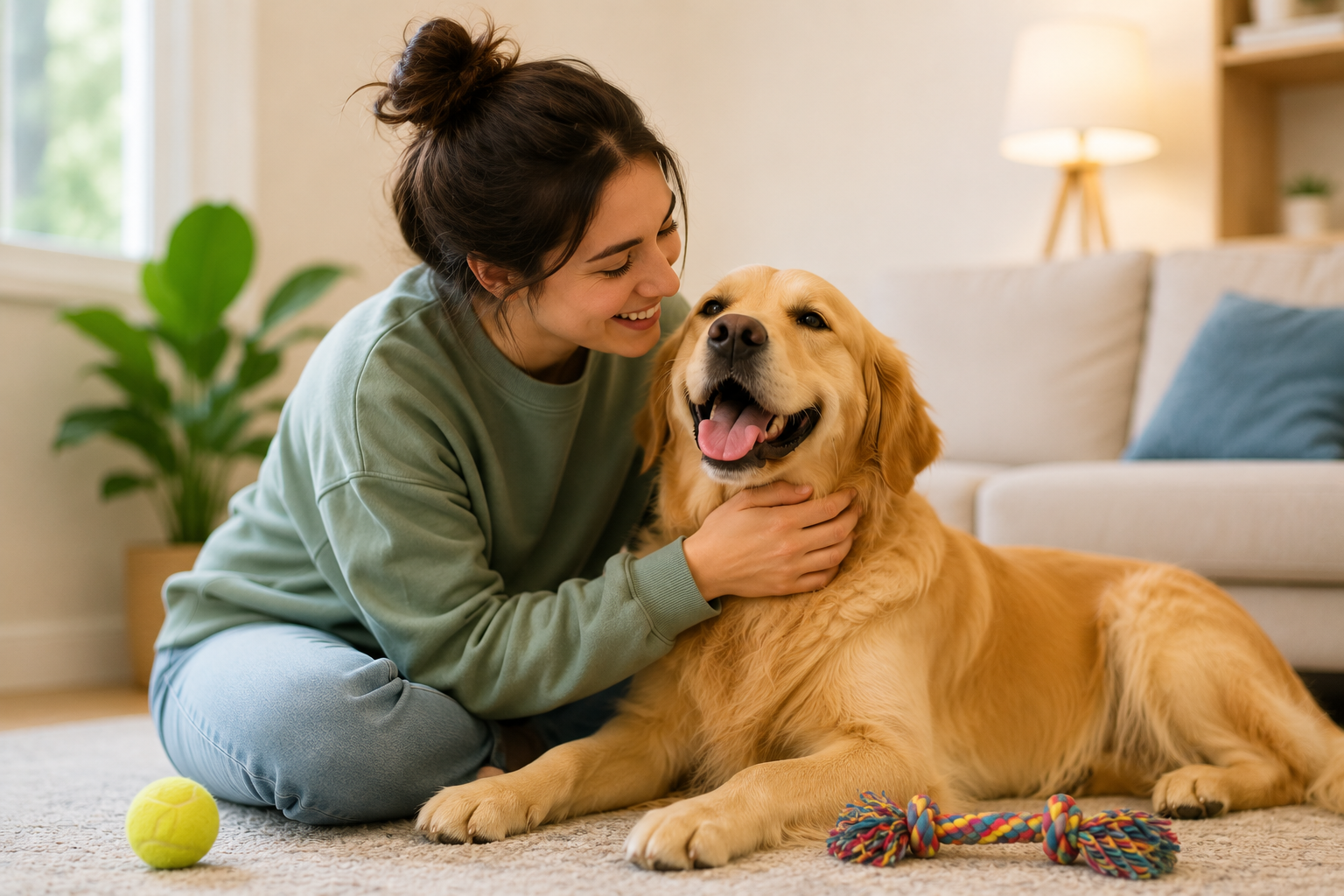
There is something deeply satisfying about watching a dog live their best life. The easy trot on a morning walk. The full-body wag when you reach for the leash. The deep, contented sigh as they curl up in their favorite spot after a long afternoon in the garden. Dogs communicate joy clearly when they feel it, and that visible happiness is one of the most rewarding parts of sharing your life with one.
But dog happiness is not accidental. It is the result of consistent, thoughtful care across multiple dimensions of daily life — nutrition, exercise, mental engagement, social connection, health maintenance, and genuine understanding of who your dog is as an individual. When even one of these areas falls short for extended periods, it shows up in behavior, in health, and in the quality of the bond between you.
This guide is for any dog owner who wants to go beyond the basics. Whether your dog is a curious eight-week-old puppy just arriving home, a spirited three-year-old adult with opinions about everything, or a dignified senior who has earned every gray hair on their muzzle, the principles here apply. They are grounded in current veterinary and behavioral science, and every recommendation is practical enough to implement starting today.
Understanding your dog’s emotional and physical needs is not a luxury. It is the foundation of responsible ownership, and it directly determines the quality and length of the life you share together.
Quick Answer
To keep your dog happy, meet their daily needs for quality nutrition, fresh water, appropriate exercise, mental stimulation, consistent routine, social interaction, grooming, and regular veterinary care. Spend genuine time with your dog every day, learn to read their body language, create a safe and comfortable home environment, and use reward-based training that builds trust. Adjust your approach based on your dog’s individual breed, age, personality, and health status.
Why Your Dog’s Happiness Matters
Canine emotional well-being is not a sentimental concept. Research in veterinary behavioral science has consistently demonstrated that a dog’s psychological state directly influences their physical health, immune function, behavioral stability, and life expectancy. Happy dogs are not just more pleasant companions — they are genuinely healthier animals.
Physical Health: Chronic stress in dogs triggers hormonal responses that suppress immune function, increase inflammation, and disrupt digestive processes. Dogs living in high-stress, under-enriched environments are more susceptible to illness and slower to recover from infection or injury. Conversely, dogs with fulfilled emotional needs tend to maintain healthier body weight, better coat condition, and more robust immune responses.
Behavior: A dog’s behavior is one of the most direct expressions of their inner state. Dogs whose social, physical, and cognitive needs are consistently met are less likely to develop destructive behaviors, excessive barking, aggression, or anxiety. Behavioral problems are almost always symptoms of unmet needs rather than deliberate defiance.
Training Success: A happy, secure dog is a more responsive learner. The trust that forms when a dog’s needs are genuinely met creates the ideal neurological and emotional conditions for training. Fearful or stressed dogs struggle to engage with new information — their brain resources are occupied managing perceived threats.
Longevity: The relationship between psychological well-being and lifespan is documented in both human and veterinary research. Dogs experiencing chronic stress or inadequate care show accelerated aging at a cellular level. Positive emotional states support the physiological balance that allows dogs to live healthier, longer lives.
Quality of Life: Beyond measurable health metrics, a dog’s daily experience of joy, comfort, and connection matters intrinsically. Dogs experience emotions that are real, complex, and meaningful. Ensuring those experiences are predominantly positive is both an ethical responsibility and a practical one.
Bond With Owners: The relationship between a dog and their owner is shaped by every interaction across years of shared life. Dogs that feel safe, understood, and cared for are more bonded, more responsive, and more enjoyable to live with. This reciprocal relationship enriches human life as profoundly as it enriches the dog’s.
What Makes a Dog Happy?
Happiness for a dog is not one single thing. It is the combined result of multiple daily needs being met consistently, authentically, and in ways that match who your dog is as an individual.
Love and Attention: Dogs are social animals. Genuine, daily interaction — play, training, shared walks, quiet companionship — meets a biological drive that is as essential as food and water.
Proper Nutrition: Food is foundational. The quality, quantity, and timing of what your dog eats directly affects their energy, mood, coat health, joint function, and disease resistance.
Exercise: Movement is not optional. Dogs that do not receive adequate physical activity become restless, anxious, and prone to behavioral problems. Exercise also releases endorphins that directly support positive emotional states.
Mental Stimulation: A dog’s brain needs work as much as their body does. Without cognitive engagement, intelligent animals become frustrated and destructive. Mental stimulation through training, scent work, and enrichment activities is as important as physical exercise.
Routine: Predictability reduces anxiety in dogs. When a dog can reliably anticipate their walk, their meal, and their time with you, their stress hormone levels remain lower and their behavior is more stable.
Comfort: Physical comfort — a supportive bed, appropriate temperature, relief from pain — is a basic requirement for well-being that is sometimes overlooked in favor of more visible care tasks.
Safety: Dogs need to feel safe in their environment. Perceived threats — unpredictable handling, aggressive household members, constant loud noises — undermine well-being regardless of how well other needs are met.
Healthcare: Pain and illness create suffering. Preventive care, regular veterinary visits, and prompt treatment of health issues protect both physical and emotional well-being.
Social Interaction: For most dogs, social connection with both their human family and other dogs is genuinely fulfilling. Isolation is one of the most consistently cited causes of behavioral and psychological problems in companion animals.
Signs of a Happy Dog
Learning to recognize happiness in your dog is one of the most practical skills you can develop. Dogs communicate their emotional state continuously through body language, behavior, and physiological signals.
Relaxed Body: A happy dog moves loosely and fluidly. Their muscles are soft, their posture is easy, and they move without stiffness or hesitation.
Wagging Tail: Tail position and movement carry specific meaning. A loose, sweeping wag at mid-height indicates genuine happiness and social engagement. Wide, full-body wags that involve the hips represent high-intensity joy.
Bright Eyes: Happy dogs have soft, clear, bright eyes with no squinting, whites showing, or tension around the brow. Their gaze is soft and curious rather than hard and fixed.
Healthy Appetite: Consistent, enthusiastic interest in meals and treats is a reliable indicator of well-being. Sudden disinterest in food is one of the earliest behavioral signs of illness or emotional distress.
Playfulness: Dogs that initiate play — bringing toys, performing play bows, bouncing toward you — are expressing genuine happiness and trust.
Curiosity: A happy dog actively investigates their environment. They sniff, explore, and show interest in new stimuli without excessive fear or avoidance.
Good Sleep: Deep, relaxed sleep with occasional dreaming indicates a dog whose nervous system is settled and whose needs are being met.
Comfort Around Family: A happy dog seeks out their human companions voluntarily, rests comfortably near them, and shows no anxiety during normal household activity.
Healthy Coat: Emotional and physical well-being both show in coat quality. A shiny, full coat with no excessive shedding or patchy loss reflects good overall health.
| Behavior | Happy Dog | Stressed or Unhappy Dog |
|---|---|---|
| Body posture | Loose, relaxed, fluid movement | Tense, stiff, crouched or rigid |
| Tail | Mid-height, sweeping wag | Tucked, rigid, or rapidly vibrating |
| Eyes | Soft, bright, slightly squinting in pleasure | Hard gaze, whale eye, excessive blinking |
| Ears | Relaxed, natural position | Pinned back, rigid and forward |
| Appetite | Consistent and enthusiastic | Reduced, absent, or frantic |
| Activity level | Engaged, playful, curious | Withdrawn, hyperactive, or restless |
| Sleep | Deep, relaxed, regular | Fragmented, restless, excessive |
| Social behavior | Seeks contact, initiates play | Avoids contact, or is clingy from anxiety |
| Vocalization | Occasional, contextually appropriate | Excessive barking, whining, or silence |
Feed a Balanced Diet
Nutrition is foundational to happiness because how a dog feels physically is inseparable from how they feel emotionally.
Choosing Quality Food: Select a food with an AAFCO nutritional adequacy statement appropriate for your dog’s life stage. The World Small Animal Veterinary Association recommends choosing foods from manufacturers with dedicated veterinary nutritionists, quality control standards, and a history of clinical feeding trials. The first ingredient should be a named animal protein.
Fresh Water: Clean, fresh water should be available at all times. Dehydration affects energy, mood, digestion, and kidney function. Wash bowls daily and change water twice daily minimum.
Healthy Treats: Treats are powerful tools for training and bonding, but they should make up no more than 10 percent of daily calorie intake. Choose treats with whole food ingredients and minimal processing. Small, soft pieces work best for training without adding excessive calories.
Foods to Avoid: Keep chocolate, grapes, raisins, onions, garlic, xylitol, macadamia nuts, cooked bones, alcohol, and caffeine completely out of reach. These are toxic and potentially fatal. Contact the ASPCA Animal Poison Control Center at 888-426-4435 in emergencies.
Maintaining Healthy Weight: Obesity is one of the most preventable and prevalent health problems in companion dogs. Measure portions consistently. Weigh your dog monthly. Adjust food quantities seasonally based on activity level, and discuss body condition scoring with your veterinarian at annual wellness visits.
Give Your Dog Daily Exercise
Physical activity is one of the most direct pathways to canine happiness. Exercise releases endorphins, reduces cortisol, promotes healthy weight, and provides the environmental exploration that dogs need for psychological well-being.
Exercise by Age and Breed Size:
| Dog Category | Daily Exercise | Preferred Activities |
|---|---|---|
| Puppy (under 4 months) | 5 min per month of age, twice daily | Gentle play, short sniff walks |
| Puppy (4–6 months) | 15–25 minutes twice daily | Leash walking, supervised play |
| Small Adult Breeds | 20–30 minutes | Leash walks, indoor play |
| Medium Adult Breeds | 45–60 minutes | Brisk walks, fetch, off-leash play |
| Large Adult Breeds | 60–90 minutes | Running, swimming, hiking |
| Working/Sporting Breeds | 90–120+ minutes | Agility, scent work, sustained running |
| Senior Dogs | 20–40 minutes | Gentle walks, light play |
| Giant Breeds | 45–60 minutes | Moderate walks, swimming |
Walking: Daily leash walks provide exercise, mental stimulation through scent exploration, and social exposure. Vary your routes to keep walks genuinely enriching.
Running: An excellent option for high-energy breeds and athletic adult dogs. Introduce running gradually to condition joints and cardiovascular systems. Avoid running with puppies until growth plates close.
Playing Fetch: Fetch delivers high-intensity cardiovascular exercise efficiently. Use appropriate ball sizes, monitor for overexertion in warm weather, and limit repetitive throwing on hard surfaces to protect joint health.
Swimming: Low-impact, full-body exercise that is ideal for dogs with joint conditions, older dogs, and sporting breeds. Always supervise water activity and dry ears thoroughly afterward.
Provide Mental Stimulation
Physical exercise meets one half of a dog’s daily needs. Mental stimulation meets the other. A physically exercised but mentally under-stimulated dog is like a person who goes to the gym daily but sits in a blank room for the rest of the day.
Puzzle Toys: Food-dispensing puzzles require dogs to problem-solve to access their reward. Start with easy difficulty levels and increase complexity as your dog’s confidence grows. Rotate puzzles to maintain novelty.
Scent Games: Nose work is one of the most cognitively exhausting and satisfying activities available to dogs. Hide small treats around the house or yard and let your dog find them using their extraordinary olfactory system. Even 15 minutes of scent work can have a calming effect comparable to a moderate walk.
Interactive Feeders: Replace standard food bowls with lick mats, slow feeders, or stuffed frozen toys to extend mealtime and provide gentle cognitive engagement during feeding.
Basic Training: Daily training sessions of five to ten minutes reinforce communication between you and your dog, build confidence, and engage the brain. Dogs genuinely enjoy the clarity and reward structure that good training provides.
Advanced Tricks: Teaching complex behaviors like rolling over, weaving between your legs, or tidying toys into a basket challenges working memory, coordination, and impulse control. It also provides a productive outlet for intelligent, high-drive breeds.
Rotation of Toys: Dogs lose interest in the same toys presented continuously. Keeping three to four toys in rotation and swapping them every few days maintains novelty without requiring constant new purchases.
Hide-and-Seek: Play hide-and-seek with your dog using yourself as the hidden object. This game reinforces the recall command, provides excitement, and strengthens the bond between you.
Food Enrichment: Freeze a mixture of kibble, unsweetened pumpkin, and water in a Kong-style toy. The extended work of extracting frozen food provides sustained mental engagement, particularly during alone time.
Spend Quality Time Together
Quality time is not about quantity alone. Thirty minutes of genuinely engaged, present interaction matters more than six hours of parallel living where you are in the same room but emotionally unavailable.
Daily Play Sessions: Tug, fetch, chase, and interactive toys all count. Match the activity to your dog’s age, energy level, and physical ability. Play is intrinsically rewarding for dogs and triggers positive neurochemical responses.
Training Time: Training is not just about behavior — it is one of the richest forms of interaction you can have with your dog. Learning together builds trust, communication, and mutual understanding.
Cuddling: Many dogs actively seek physical contact with their owners. Quiet petting, stroking, and relaxed physical closeness reduce stress hormones in dogs and owners simultaneously. Follow your dog’s lead about how much contact they enjoy.
Talking to Your Dog: Research suggests that dogs are responsive to both the tone and specific words of human speech. Talk to your dog about your day, narrate your activities, or simply include them in conversation. The interaction matters even if the vocabulary does not entirely translate.
Family Activities: Including your dog in family activities — outdoor barbecues, hiking trips, relaxed evenings in the garden — provides social enrichment and reinforces their sense of belonging.
Outdoor Adventures: New environments offer extraordinary sensory enrichment. Different parks, trails, beaches, and neighborhoods provide entirely new scent landscapes that engage a dog’s brain far more intensively than the same daily route.
Build a Consistent Daily Routine
Dogs are biologically predisposed to thrive on routine. Predictable daily schedules reduce anxiety, support house training, improve behavioral stability, and regulate circadian rhythms that govern sleep quality.
| Time | Activity |
|---|---|
| 6:30 AM | Wake up, immediate outdoor potty break |
| 7:00 AM | Breakfast — measured portion |
| 7:15 AM | Morning walk (20–60 min based on breed) |
| 7:45 AM | Settle for the morning |
| 10:00 AM | Midday potty break and water check |
| 10:15 AM | Mental enrichment — puzzle toy or scent game |
| 12:00 PM | Brief training session (5–10 min) |
| 12:30 PM | Rest |
| 5:00 PM | Evening meal — measured portion |
| 5:20 PM | Outdoor potty break |
| 5:30 PM | Evening walk |
| 6:00 PM | Quality play or family time |
| 8:00 PM | Wind down — calm environment |
| 9:00 PM | Final outdoor potty break |
| 9:15 PM | Settle in sleeping area for the night |
Consistency in the sequence and approximate timing matters far more than adherence to exact clock times. When disruptions occur — and they will — return to the routine as quickly as possible.
Socialization Matters
Socialization is not an event. It is an ongoing process throughout a dog’s life that directly influences their confidence, stress resilience, and ability to enjoy a wide variety of experiences.
Meeting New People: Introduce your dog to a diverse range of people — different ages, sizes, clothing styles, and movement patterns. Allow your dog to approach at their own pace. Reward calm, curious behavior generously.
Meeting Other Dogs: Not every dog interaction needs to be a play session. Walking parallel to a calm, friendly dog, sniffing a neutral dog briefly, or simply passing another dog without reaction are all valuable positive social experiences.
Visiting New Places: Novel environments provide extraordinary enrichment. Quiet parks, pet-friendly stores, different neighborhoods, and outdoor markets all expose your dog to new sounds, smells, and sights in controlled, manageable doses.
Confidence Building: Expose your dog to mildly challenging experiences — different floor surfaces, gentle sounds, novel objects — in low-pressure contexts with plenty of encouragement and reward. Confidence built through positive exposure creates emotional resilience that benefits your dog across their entire life.
Safe Social Experiences: Quality matters more than quantity. One calm, positive interaction with a friendly dog is worth far more than ten chaotic dog park encounters. Protect your dog from overwhelming or negative social experiences, particularly during the socialization-critical period between 8 and 16 weeks.
Grooming and Hygiene
Grooming is an often underappreciated contributor to a dog’s happiness. A dog with matted fur, overgrown nails that click on hard floors, dirty ears that itch chronically, or neglected teeth that cause pain cannot be fully comfortable regardless of how well their other needs are met.
Brushing: Regular brushing removes debris, prevents painful mats, and distributes natural skin oils through the coat. It also provides a hands-on health check and, for many dogs, becomes a bonding ritual they genuinely look forward to.
Bathing: Appropriate bathing frequency depends on coat type, lifestyle, and skin health. A clean coat feels better against the skin and reduces the chronic low-grade discomfort of accumulated dirt and excess sebum.
Dental Care: The American Animal Hospital Association identifies dental disease as one of the most common and preventable health conditions in dogs. Daily tooth brushing with dog-safe toothpaste prevents plaque accumulation, gum disease, and the systemic health effects of untreated dental infection.
Ear Cleaning: Weekly ear checks and cleaning when needed prevent the painful buildup of wax and moisture that creates conditions for yeast and bacterial infections.
Nail Trimming: Overgrown nails alter gait, strain tendons and joints, and cause chronic low-grade discomfort. Nails that click on hard floors are already too long. Trim every three to four weeks.
Skin Checks: Regular, thorough grooming sessions allow you to detect lumps, hot spots, parasites, rashes, or unusual growths early. Early detection consistently improves treatment outcomes and reduces suffering.
Regular Veterinary Care
Preventive veterinary care is one of the most direct investments in your dog’s happiness, because a dog in pain or with unmanaged illness cannot fully experience well-being regardless of how much love they receive.
Wellness Exams: Adult dogs should see their veterinarian at least annually. Senior dogs benefit from biannual visits, as health status can change significantly within a six-month period in older animals.
Vaccinations: Core vaccines protect against potentially fatal diseases. Your veterinarian will establish a schedule appropriate for your dog’s age, region, and lifestyle based on current AAHA vaccination guidelines.
Parasite Prevention: Consistent flea, tick, and heartworm prevention protects your dog from parasites that cause discomfort, transmit disease, and in the case of heartworm, can be fatal if left untreated.
Dental Checkups: Professional dental cleaning under anesthesia is sometimes necessary despite excellent home care. Your veterinarian will advise when professional cleaning is indicated based on your dog’s individual dental health.
Weight Monitoring: Regular weigh-ins and body condition assessments help catch weight trends early, before they become established problems. Both obesity and unhealthy weight loss warrant investigation.
Preventive Care: Bloodwork, urinalysis, and other diagnostic screening at annual or biannual visits establish baselines and catch subclinical conditions before they cause noticeable illness or discomfort.
Create a Safe and Comfortable Home
The physical environment your dog lives in shapes their stress levels, sleep quality, and sense of security every day.
Comfortable Bed: Match the bed to your dog’s size, preferred sleeping position, and physical needs. Orthopedic beds support joint health in large breeds and seniors. Donut beds provide security for anxious dogs. Replace beds when they lose their support.
Quiet Sleeping Area: Place your dog’s bed in a low-traffic area away from household noise during peak activity hours. Dogs need genuine rest periods throughout the day, not just nighttime sleep.
Temperature Control: Dogs are sensitive to temperature extremes. Maintain comfortable indoor temperatures, provide cooling options in summer, and ensure warm sleeping areas in winter. Brachycephalic breeds and senior dogs are especially vulnerable to temperature stress.
Safe Toys: Regularly inspect toys for damage. Replace toys that have been chewed down to potentially ingestible pieces. Choose toys appropriate for your dog’s size and chewing intensity to prevent choking and obstruction hazards.
Safe Environment: Keep toxic substances, sharp objects, small swallowable items, and potential entanglement hazards out of your dog’s reach consistently. Review environmental hazards seasonally as decorations, plants, and outdoor chemicals change.
Prevent Boredom
Boredom is one of the most common and overlooked contributors to behavioral problems in companion dogs. A bored dog is not a bad dog. They are a dog expressing unmet needs in the only ways available to them.
Rotate Toys: Keep a selection of toys on hand and rotate which three or four are available at any given time. Familiar toys presented after a period of absence feel novel again and spark renewed interest.
Learning New Tricks: Teaching your dog something new — even a simple behavior they have not done before — provides immediate cognitive engagement and the satisfaction of accomplishment. Dogs genuinely enjoy the clarity of learning within a positive framework.
Obstacle Courses: Indoor agility using household items — cushions, tunnels made from blankets, low poles to weave through — provides physical and cognitive stimulation without leaving home.
Snuffle Mats: Snuffle mats hide kibble or treats within woven fabric that mimics grass. Dogs use their nose to find each piece, providing sustained, calming enrichment.
Puzzle Feeders: Replacing the standard bowl with any food-dispensing toy extends mealtime and engages the problem-solving areas of the brain during every feeding.
Window Watching: Many dogs enjoy watching the world outside from a comfortable vantage point. A dog bed positioned near a window provides hours of passive visual enrichment, particularly for dogs that spend time alone during the day.
Interactive Games: Apps and videos designed specifically for dogs — showing birds, squirrels, or other dogs — provide visual stimulation for some individuals. Monitor your dog’s response and remove the option if it causes frustration rather than entertainment.
Understand Your Dog’s Body Language
Effective communication with your dog requires literacy in their language. Dogs communicate continuously through posture, facial expression, tail position, and movement. Learning to read these signals accurately transforms your relationship.
Signs of Relaxation: Loose body, soft eyes, slightly open mouth, relaxed ears, tail at natural position with gentle wag, willingness to approach and engage, deep slow breathing.
Stress Signals: Yawning when not tired, lip licking, panting without physical exertion, shaking off when not wet, whale eye, tucked tail, rigid body, ears pinned back, paw raising, looking away.
Fear: Cowering, low body posture, tail tucked between legs, trembling, seeking hiding places, refusing to move, urinating involuntarily, growling or snapping when cornered.
Anxiety: Repetitive behaviors such as pacing or circling, inability to settle, excessive vocalization, destructive behavior during alone time, hyper-vigilance, and constant attention-seeking.
Excitement: Full-body wiggling, jumping up, wide circular running, high-pitched barking, panting, loose and exaggerated movements.
Contentment: Rolling over to expose the belly voluntarily, slow blinking, soft sighing, choosing to rest near you, gentle play solicitation, relaxed face and ears.
| Signal | Relaxed / Happy | Stressed / Anxious |
|---|---|---|
| Body posture | Loose, fluid | Rigid, crouched |
| Tail | Mid-height, sweeping | Tucked or stiff |
| Eyes | Soft, blinking | Hard gaze or whale eye |
| Ears | Relaxed | Pinned or rigidly forward |
| Mouth | Slightly open, relaxed | Tightly closed or panting without heat |
| Breathing | Steady, slow | Rapid, shallow |
| Movement | Free and easy | Hesitant, stilted, or frozen |
Common Mistakes That Can Make Dogs Unhappy
Understanding what undermines happiness is as important as knowing what creates it.
Lack of Exercise: Insufficient physical activity leads to weight gain, restlessness, anxiety, and destructive behavior. Exercise is not optional for a happy dog.
Poor Diet: Low-quality nutrition contributes to poor coat condition, low energy, digestive discomfort, and increased disease susceptibility. All of these affect emotional state.
Ignoring Dental Care: Chronic dental pain is invisible to most owners but profoundly affects a dog’s comfort, appetite, and mood. Daily brushing prevents the majority of dental disease.
Inconsistent Routine: Irregular feeding times, unpredictable walks, and changing household rules create a background level of anxiety that erodes well-being over time.
Punishment-Based Training: Methods that rely on fear, pain, or intimidation damage trust, increase anxiety, and frequently worsen the very behaviors they target. The American Veterinary Society of Animal Behavior recommends positive reinforcement methods as the most effective and humane training approach.
Loneliness: Dogs are social animals. Excessive periods alone, particularly in environments with no enrichment, cause genuine psychological suffering. If extended alone time is unavoidable, invest in dog walkers, daycare, or enrichment strategies.
Lack of Mental Enrichment: A dog whose brain is never challenged becomes frustrated and bored. This frustration expresses itself in behavior that owners often interpret as personality problems rather than unmet needs.
Skipping Veterinary Visits: Pain, discomfort, and illness are among the most significant barriers to happiness. Preventive care and prompt treatment of health issues protect the physical foundation that emotional well-being depends upon.
Happiness Tips for Puppies
Puppies are in the most neurologically receptive and emotionally formative period of their lives. Every experience they have shapes the dog they become.
Prioritize gentle socialization across the three-to-sixteen-week window. Introduce new sounds, surfaces, people, and environments in positive, low-pressure contexts. Begin house training and basic commands immediately using rewards, never punishment. Respect their enormous sleep requirements — an overtired puppy is a struggling puppy. Keep enrichment sessions short and varied. Focus on building the foundational relationship that everything else will grow from.
Happiness Tips for Adult Dogs
Adult dogs in their prime need consistency, challenge, and genuine connection.
Maintain a reliable daily routine and ensure exercise meets their breed-specific requirements. Introduce new training challenges to keep their brain engaged. Ensure they have opportunities for positive social interaction. Monitor weight carefully — this is when many dogs begin to gain excess weight that affects health and happiness. Continue preventive veterinary care even when your dog appears completely healthy.
Happiness Tips for Senior Dogs
Senior dogs deserve every bit of care and attention they received in youth — often more, because their needs become more specific as they age.
Adapt exercise to match their current physical capacity. Provide orthopedic sleeping surfaces and easy access to food, water, and outdoor areas. Schedule biannual veterinary visits to catch age-related conditions early. Continue mental enrichment with low-impact activities like gentle scent games and nose work. Be patient with cognitive and sensory changes. Watch for signs of pain and discuss management options with your veterinarian promptly.
| Happiness Factor | Puppies | Adult Dogs | Senior Dogs |
|---|---|---|---|
| Exercise type | Gentle, short, frequent | Breed-appropriate, daily | Gentle walks, low-impact |
| Mental stimulation | Simple puzzles, name learning | Advanced training, varied enrichment | Scent games, familiar commands |
| Social priority | Socialization window focus | Consistent positive interactions | Calm, familiar social environments |
| Health focus | Full vaccine series, parasite prevention | Annual wellness, weight monitoring | Biannual exams, pain management |
| Sleep needs | 18–20 hours per day | 12–14 hours per day | 14–18 hours per day |
| Training approach | Short, positive, frequent | Consistent, engaging, varied | Gentle, patience-centered |
Frequently Asked Questions
How do I know if my dog is truly happy?
A happy dog shows relaxed body language, maintains a healthy appetite, plays enthusiastically, seeks your company voluntarily, sleeps deeply, and explores their environment with curiosity. Watch for consistent patterns rather than isolated moments — sustained behavioral signs across multiple days are the most reliable indicators.
Can dogs feel emotions like humans?
Current scientific understanding confirms that dogs experience primary emotions including fear, joy, anger, and affection. While the depth and complexity of canine emotional experience differs from human experience, dogs do not simply react mechanically — they have genuine emotional responses that profoundly influence their behavior and health.
How much attention does a dog need every day?
Most dogs thrive with at least two to three hours of direct, engaged human interaction daily. This includes walks, training, play, and quiet companionship. Beyond this, dogs benefit from being included in daily household activity even when direct interaction is not occurring.
Does talking to your dog make them happy?
Research suggests dogs are sensitive to both the emotional tone and specific words of human speech. Talking to your dog in a warm, engaged way strengthens your social bond, reduces isolation, and is associated with positive emotional responses in dogs.
Can dogs be depressed?
Yes. Dogs can experience states that resemble depression — reduced activity, decreased appetite, withdrawal, and loss of interest in previously enjoyed activities. These states often follow significant loss, major environmental change, or inadequate social interaction. Persistent changes in behavior or appetite warrant veterinary evaluation.
How do I make my dog happy when I’m at work?
Provide enrichment before leaving — a stuffed frozen toy, a puzzle feeder, or a snuffle mat. Hire a dog walker for a midday break if possible. Consider doggy daycare for highly social dogs. Create a predictable pre-departure routine that does not signal anxiety. Return at consistent times to reinforce routine.
Do dogs need other dogs to be happy?
Not all dogs. Many dogs are thoroughly content as the only pet in a household, provided they receive adequate human interaction and socialization opportunities. Some dogs genuinely prefer human company over canine interaction. Assess your individual dog’s preferences rather than assuming multi-dog households are universally enriching.
What enrichment activities work best for high-energy breeds?
High-energy and working breeds need activities that combine physical exertion with cognitive challenge. Agility, nose work, herding activities, swimming, and complex fetch games all meet this requirement more effectively than standard leash walks alone.
Is it possible to spoil a dog by giving them too much attention?
Providing consistent care, enrichment, and affection does not spoil a dog. Problems arise not from abundance of attention but from inconsistent rules, rewarding anxious or demanding behavior, and failing to provide the structure dogs need. Meet your dog’s needs generously while maintaining clear, consistent expectations.
How does a predictable routine contribute to a dog’s happiness?
Routine reduces the background anxiety that comes from unpredictability. When dogs can reliably anticipate their walk, their meal, and their time with you, their stress hormone levels stay lower, their behavior is more stable, and their capacity to enjoy each experience is greater.
What is the single most important thing I can do for my dog’s happiness?
Genuinely understanding and consistently meeting your dog’s individual needs — physical, cognitive, social, and medical — is the foundation. Beyond that, building a relationship of trust through positive interaction, consistent boundaries, and attentive daily care creates the emotional security that happiness depends upon.
How do I help my dog be happy when they have anxiety?
Identify and address specific triggers where possible. Build confidence through positive exposure and reward-based training. Maintain a consistent routine. Provide enrichment that supports calm engagement. Consult a veterinary behaviorist or certified professional trainer if anxiety is persistent or severe. Some dogs benefit significantly from medication alongside behavioral management.
Do dogs like music?
Research, including studies conducted through institutions researching animal welfare, suggests that certain types of music — particularly classical music and species-specific recordings — can have calming effects on dogs in stressful environments. Individual preferences vary. Observe your dog’s response and adjust accordingly.
How do I keep my senior dog happy as they age?
Adapt care to their evolving needs rather than maintaining a one-size-fits-all approach. Manage pain proactively, adjust exercise intensity, provide appropriate sleeping surfaces, maintain social engagement, continue mental enrichment through gentle activities, and attend biannual veterinary visits. Aging is not suffering — it is a life stage that deserves its own careful, tailored approach.
Can the right diet make my dog happier?
Quality nutrition directly affects energy levels, coat health, digestive comfort, joint function, and mood. A dog eating a diet that meets their specific nutritional needs has the physical foundation to feel well. Conversely, poor nutrition creates chronic low-level discomfort that undermines happiness even when all other care is excellent.
Final Thoughts
Keeping a dog happy is not a complicated mystery. It is the cumulative result of daily choices — what you feed them, how often you walk them, how much time you genuinely spend with them, how quickly you notice when something is off, and how consistently you meet the needs they cannot communicate to you in words.
The dogs that live the happiest lives are not necessarily the ones with the biggest yards or the most expensive toys. They are the dogs whose owners pay attention. Who learn their body language. Who notice when the tail wag looks a little different, when the appetite changes, when the enthusiasm on the morning walk is not quite what it was yesterday. Who act on those observations.
Your dog is communicating with you all the time. Every visit to the water bowl, every change in sleep pattern, every shift in how they greet you at the door tells you something about how they are feeling. The more fluent you become in that language, the better equipped you are to give them what they actually need — not what you imagine they want.
That kind of attentive, responsive ownership is what transforms a dog’s life from merely adequate to genuinely wonderful. And the beautiful thing is that it enriches your life just as much as it enriches theirs.
References
- American Veterinary Medical Association (AVMA). Pet Care — Dog Wellness and Preventive Care. https://www.avma.org/resources/pet-owners/petcare
- American Animal Hospital Association (AAHA). Dental Care Guidelines for Dogs and Cats; Canine Life Stage Guidelines. https://www.aaha.org/aaha-guidelines/
- Merck Veterinary Manual. Behavioral Problems of Dogs; Canine Enrichment and Welfare. https://www.merckvetmanual.com
- Cornell University College of Veterinary Medicine. Canine Behavior and Enrichment. https://www.vet.cornell.edu
- VCA Animal Hospitals. Enrichment for Dogs; Behavior — Signs of a Happy Dog. https://vcahospitals.com/know-your-pet
- World Small Animal Veterinary Association (WSAVA). Global Nutrition Guidelines; Canine Welfare. https://wsava.org/global-guidelines/
- American Kennel Club (AKC). How to Tell If Your Dog Is Happy; Mental Stimulation for Dogs. https://www.akc.org/expert-advice/health/
- ASPCA. Dog Care — Enrichment and Behavior. https://www.aspca.org/pet-care/dog-care
Author Bio
Written by the PetCareJournal Editorial Team
The PetCareJournal Editorial Team brings together experienced pet care writers, certified canine behavior consultants, and veterinary health researchers dedicated to producing accurate, practical, and compassionate guidance for dog owners at every stage of their journey. Our wellness and behavior guides are developed using current veterinary science and reviewed against guidelines from leading animal health and behavior organizations. Our mission is to help every dog owner provide the quality of care that allows their dog to live a genuinely happy, healthy, and fulfilling life.
Pet Care Disclaimer
The information in this article is intended for general educational and informational purposes only. It does not constitute professional veterinary advice, medical diagnosis, or treatment of any kind. All recommendations should be adapted to your individual dog’s specific age, breed, health status, and veterinarian’s guidance. Readers should consult a licensed veterinarian for any health concerns or a qualified behavior professional for ongoing behavioral issues including anxiety, aggression, or significant changes in behavior. In the event of a veterinary emergency, contact your veterinarian or the nearest emergency animal hospital immediately. The PetCareJournal Editorial Team and publisher accept no liability for actions taken based on the content of this article