

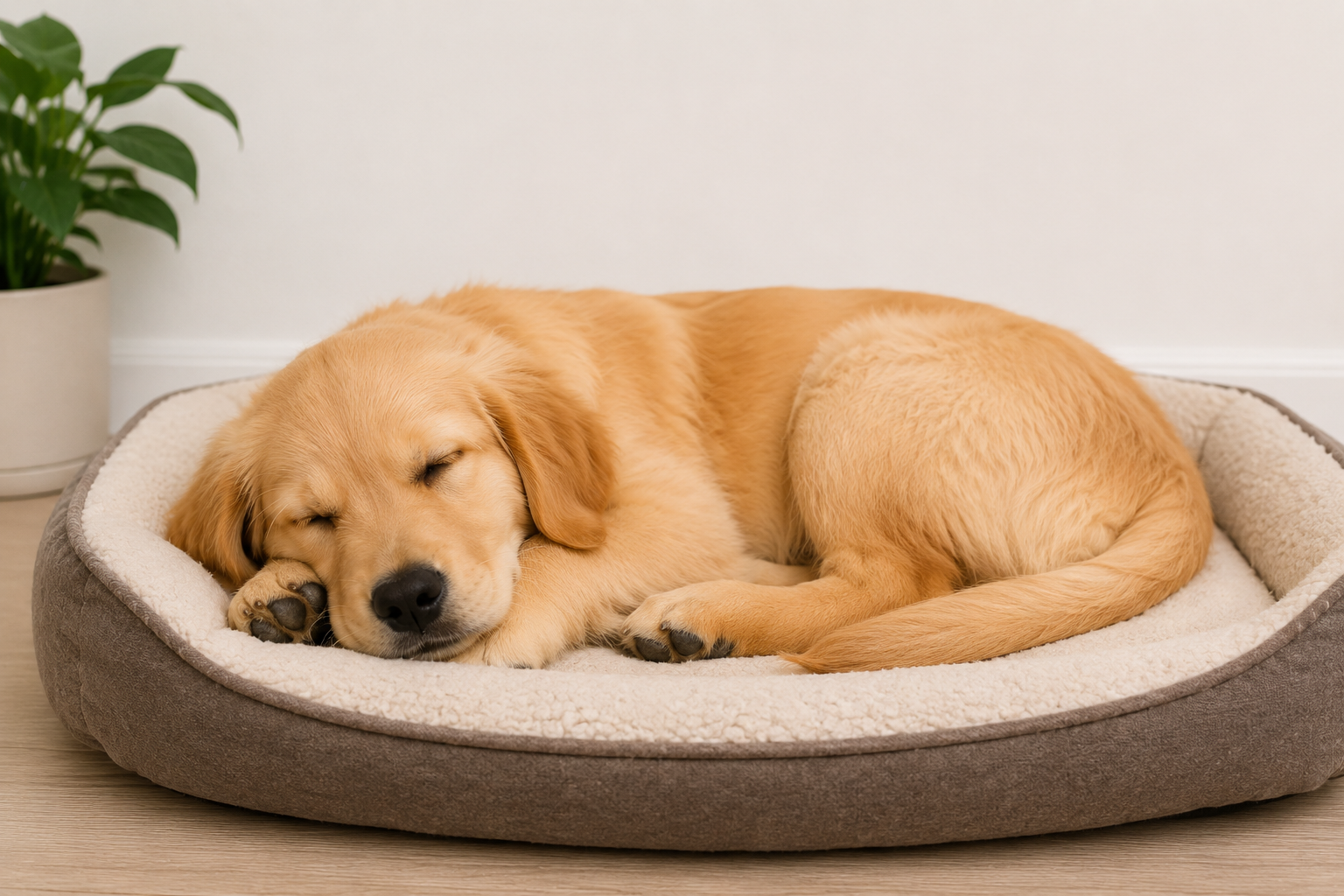
If you have ever watched your dog sleep, you have probably noticed that it looks remarkably peaceful. Their legs might twitch. Their paws might paddle like they are running through a field. They might let out a soft sigh or a gentle snore. It is easy to assume they are just resting. In reality, sleep is one of the most active and biologically essential processes in your dog’s daily life.
Dogs spend a significant portion of their lives asleep. While humans typically need seven to nine hours of sleep per night, dogs operate on a completely different biological schedule. Their sleep patterns, duration, and even the positions they choose to rest in carry meaningful information about their health, comfort, and emotional state. Understanding these habits is not just about satisfying curiosity. It is a practical way to monitor your dog’s well-being and catch potential health issues before they become serious.
Many new dog owners worry when their pet sleeps for long stretches during the day. Others panic when their dog suddenly changes their sleeping routine or seems restless at night. Both reactions are completely understandable. The truth is that dog sleep is highly individual. It shifts with age, breed, activity level, environment, and health. What looks like excessive sleeping to one owner might be perfectly normal for a working breed recovering from a long hike. What seems like a harmless snore could occasionally signal a breathing issue that needs veterinary attention.
This guide breaks down everything you need to know about canine sleep. You will learn how much sleep dogs actually need, why they choose specific sleeping positions, how to recognize healthy versus concerning sleep patterns, and what you can do to improve your dog’s rest. Whether you are caring for a bouncing puppy, a settled adult, or a gentle senior, the information here will help you create an environment that supports truly restorative sleep for your dog.
Quick Answer
Adult dogs typically need 12 to 14 hours of sleep per day, while puppies require 18 to 20 hours and senior dogs often need 14 to 18 hours. Dogs are polyphasic sleepers, meaning they cycle through multiple sleep periods throughout a 24-hour day rather than sleeping in one long stretch. Healthy dog sleep includes a mix of light naps, deep rest, and REM sleep where dreaming occurs. Sudden changes in sleep duration, difficulty settling, excessive snoring, or signs of pain during rest should always be evaluated by a veterinarian.
Why Sleep Is Important for Dogs
Sleep is not a passive state for dogs. It is an active, biologically driven process that supports nearly every system in their body. Just like humans, dogs experience measurable physiological changes during different sleep stages. These changes directly impact their physical health, mental sharpness, and emotional stability.
Brain Function and Memory: During sleep, a dog’s brain processes the information it gathered while awake. Neural pathways strengthen, and unnecessary data is cleared away. This consolidation is especially critical for learning new commands, adjusting to new environments, and remembering positive or negative experiences.
Growth: Puppies and young dogs release the majority of their growth hormone during deep sleep cycles. This hormone supports bone development, muscle growth, and tissue repair. Interrupting a growing dog’s sleep regularly can actually slow their physical development.
Immune System: Quality sleep strengthens immune function by supporting the production of cytokines, which are proteins that help fight infection and inflammation. Dogs that are chronically sleep-deprived show reduced immune responses and are more susceptible to illness.
Energy Recovery: Dogs, especially active breeds, expend significant physical energy during play, walks, and training. Sleep allows muscles to repair micro-tears, replenish glycogen stores, and restore cellular energy levels. This recovery process is what keeps them ready for the next day’s activities.
Overall Health: Consistent, restful sleep helps regulate metabolism, maintain healthy weight, and balance stress hormones like cortisol. Dogs with disrupted sleep patterns are more likely to develop behavioral issues, anxiety, and weight-related health conditions over time.
Understanding the biological purpose of sleep helps owners recognize why protecting their dog’s rest is just as important as feeding them properly or keeping them exercised.
How Much Sleep Do Dogs Need?
The amount of sleep a dog needs changes dramatically throughout their life. It also shifts based on their daily activity, environment, and individual metabolism. The following breakdown provides a reliable baseline for most dogs.
Newborn Puppies: Puppies in their first two weeks of life sleep nearly constantly. They wake only to nurse, then immediately return to sleep. This intense rest supports rapid brain development and organ maturation.
Young Puppies: Between eight weeks and six months, puppies sleep 18 to 20 hours daily. Their bodies are growing at an extraordinary rate, and their brains are processing massive amounts of new information during socialization and early training.
Adult Dogs: Healthy adult dogs typically sleep 12 to 14 hours per day. This total is usually split between nighttime rest and multiple daytime naps. The exact number depends heavily on breed energy levels and daily exercise.
Senior Dogs: Dogs generally enter their senior years around seven to ten years of age, depending on size. Senior dogs often sleep 14 to 18 hours per day. Aging naturally reduces energy levels and increases the need for rest and recovery.
Working Dogs: Dogs bred for sustained physical labor, such as herding dogs, search and rescue dogs, or hunting breeds, require more recovery time after intense work. On heavy workdays, they may sleep 14 to 16 hours to allow full physical restoration.
Highly Active Dogs: Companion dogs that participate in agility, dock diving, or long daily runs also need extended rest periods. Their sleep duration often matches or slightly exceeds that of working dogs, particularly on training days.
| Life Stage / Activity Level | Average Daily Sleep | Primary Purpose |
|---|---|---|
| Newborn Puppies (0–2 weeks) | 20–22 hours | Organ development, rapid brain growth |
| Young Puppies (2–6 months) | 18–20 hours | Growth hormone release, learning consolidation |
| Adult Dogs (1–7 years) | 12–14 hours | Energy recovery, immune maintenance |
| Senior Dogs (7+ years) | 14–18 hours | Joint recovery, cognitive maintenance |
| Working Dogs (Active Duty) | 14–16 hours | Muscle repair, physical restoration |
| Highly Active Companion Dogs | 13–15 hours | Sustained energy replenishment |
These numbers represent averages. Individual dogs may naturally fall slightly above or below these ranges without any cause for concern. The key is consistency with your dog’s personal baseline.
Understanding Normal Dog Sleep Patterns
Dogs are polyphasic sleepers. Unlike humans, who typically consolidate their sleep into one long nighttime block, dogs sleep in multiple shorter periods spread across a 24-hour day. This pattern is rooted in their evolutionary history as opportunistic hunters and scavengers.
Daytime Naps: Most of a dog’s daytime sleep consists of light naps. During these periods, dogs remain partially alert. Their ears might twitch toward familiar sounds, and they can wake up instantly if needed. These naps serve as energy conservation breaks rather than deep restorative sleep.
Nighttime Sleep: The longest continuous sleep period usually occurs at night. Dogs naturally align their primary rest cycle with their human family’s schedule, though they retain the ability to wake easily for noises, smells, or environmental changes.
Light Sleep: Light sleep makes up the majority of a dog’s total sleep time. Their eyes may flutter open occasionally, their breathing is steady but shallow, and they remain responsive to their surroundings. This stage is crucial for staying aware of potential threats while still resting.
Deep Sleep: During deep sleep, a dog’s muscles fully relax, breathing slows and deepens, and they become much harder to wake. This is when physical restoration occurs. Tissues repair, and the body enters a true recovery state.
REM Sleep: Rapid Eye Movement sleep is when dreaming happens. You will notice twitching paws, moving whiskers, soft vocalizations, and rapid eye movements beneath closed eyelids. REM sleep is essential for memory consolidation and emotional processing. It is completely normal for dogs to dream, and waking them during this stage can startle them.
Circadian Rhythm: Dogs have internal biological clocks that respond to light, temperature, and routine. When you feed, walk, and interact with your dog at consistent times, you help regulate their circadian rhythm. A well-regulated rhythm leads to more predictable sleep patterns, easier settling at night, and better daytime energy management.
Common Dog Sleeping Positions and What They May Mean
The way a dog chooses to sleep reveals a lot about their comfort level, temperature regulation, and sense of security. While positions can change from day to day, consistent preferences often reflect underlying behavioral or physical needs.
Curled Up: This is one of the most common sleeping positions. By curling into a tight ball, dogs conserve body heat and protect their vital organs. It is a natural instinct inherited from wild ancestors. Dogs that frequently sleep this way may be feeling cold, seeking security, or simply resting lightly.
Side Sleeping: When a dog lies on their side with legs extended, they are usually in a deep, relaxed sleep state. This position exposes their chest and abdomen, which indicates they feel completely safe in their environment. Side sleeping also allows for deeper breathing and better muscle relaxation.
Belly Down: Sleeping on the belly with legs tucked or stretched forward is common in dogs who want to rest but remain ready to spring into action. This position makes it easy to stand up quickly. It is often seen in working dogs or dogs that are still adjusting to a new environment.
Back Sleeping: Dogs that sleep on their backs with their paws in the air are demonstrating high levels of trust and comfort. This position leaves them completely vulnerable and makes it difficult to defend themselves. It also helps them cool down by exposing their thinner-furred belly to the air.
Superman Position: Lying flat on the stomach with all four legs stretched out in front and behind is typical for puppies and highly active dogs. It allows for quick movement and is often seen after intense play sessions. It is a sign of relaxation mixed with readiness.
Leaning Against You: When a dog leans against your leg, couch, or bed while sleeping, they are seeking physical contact and reassurance. This behavior strengthens social bonds and provides a sense of security. It is especially common in dogs with strong pack-oriented temperaments.
Burrowing: Some dogs dig at blankets, pillows, or bedding before lying down and then tuck their nose under the covers. This behavior helps them create a warm, enclosed space that mimics a den. It is particularly common in terriers and breeds originally bred for underground work.
Stretching Out: A dog lying completely flat on a cool floor or tile is usually trying to regulate their body temperature. The stretched position maximizes surface area contact with the cool surface, helping them dissipate heat during warm weather.
| Sleeping Position | What It Usually Indicates | Common In |
|---|---|---|
| Curled Up | Heat conservation, light rest, instinctual security | All breeds, especially in cool weather |
| Side Sleeping | Deep relaxation, high trust, comfortable environment | Confident, settled adult dogs |
| Belly Down | Readiness to move, light sleep, mild alertness | Working breeds, newly adopted dogs |
| Back Sleeping | Complete trust, temperature regulation, deep rest | Secure dogs, warm climates |
| Superman Position | Post-play recovery, puppy energy, quick readiness | Puppies, sporting breeds |
| Leaning Against You | Social bonding, seeking comfort, pack connection | Companion-oriented breeds |
| Burrowing | Den-seeking behavior, warmth, anxiety reduction | Terriers, anxious dogs, cold weather |
| Stretching Out | Heat dissipation, relaxation, cool surface seeking | All breeds, summer months |
Positions alone rarely indicate a problem. However, sudden changes in preferred sleeping position, especially if paired with stiffness, whining, or reluctance to move, can signal pain or discomfort that warrants veterinary evaluation.
Why Do Dogs Sleep So Much?
Many first-time dog owners are surprised by how much time their new companion spends sleeping. The instinct to worry is understandable, but extended rest is completely normal for most dogs. Several biological and environmental factors contribute to this pattern.
Age: Puppies and senior dogs naturally require more sleep due to growth demands and aging processes. Middle-aged adult dogs with sedentary lifestyles also tend to sleep more than highly active dogs.
Breed: A dog’s original purpose heavily influences their energy expenditure. Breeds developed for endurance work or guarding often sleep more to conserve energy between tasks. Companion breeds bred for lap sitting naturally align with human rest cycles.
Activity Level: Dogs that receive vigorous daily exercise or mental stimulation sleep more deeply and efficiently. Dogs with insufficient activity often sleep lightly and may appear restless despite long hours in bed.
Weather: Temperature significantly impacts canine sleep. Cold weather encourages dogs to sleep more as they conserve energy to maintain body heat. Hot weather also increases sleep duration, as dogs become lethargic to avoid overheating.
Health: Underlying medical conditions like hypothyroidism, anemia, or chronic pain can increase sleep duration. Conversely, pain or discomfort can also fragment sleep, making dogs nap more frequently during the day to compensate for poor nighttime rest.
Diet: High-quality nutrition supports steady energy levels. Diets high in fillers or inconsistent feeding schedules can cause energy crashes that lead to excessive daytime napping.
Mental Stimulation: Dogs process information through scent, sight, and sound throughout the day. Mental fatigue from training, puzzle toys, or new environments often requires more sleep for cognitive recovery.
Stress: Environmental changes, loud noises, or household tension can disrupt normal sleep cycles. Stressed dogs may sleep more as a coping mechanism or experience fragmented, poor-quality rest.
Recovery: After surgery, illness, vaccination, or intense physical activity, dogs naturally increase their sleep time to support tissue repair and immune function.
Understanding these factors helps owners distinguish between normal canine rest and sleep changes that might indicate a health concern.
Puppy Sleeping Habits
Puppies are essentially tiny engines running on high-octane growth. Their sleep needs are dramatically higher than adult dogs, and their sleep cycles are shorter and more frequent.
How Long Puppies Sleep: Between eight weeks and six months, puppies sleep 18 to 20 hours daily. This sleep occurs in short bursts rather than long stretches. They will play intensely, then suddenly collapse into sleep, often mid-chew or mid-step.
Nighttime Sleep: Young puppies cannot hold their bladder through the night. Expect them to wake every three to four hours for bathroom breaks until they reach four to six months of age. Their nighttime sleep will gradually consolidate as bladder capacity increases.
Nap Schedule: Puppies naturally cycle through 45 to 60 minutes of awake time followed by a 1 to 2 hour nap. Forcing them to stay awake beyond their natural limit leads to overtired behavior, which manifests as biting, hyperactivity, and difficulty settling.
Crate Sleeping: Crates provide a den-like environment that supports healthy puppy sleep. The confined space reduces visual stimulation and prevents wandering, which helps puppies fall asleep faster and stay asleep longer.
Helping Puppies Sleep Through the Night: Establish a consistent bedtime routine. Take your puppy out for a final bathroom break, offer a calm chew toy in their crate, and keep the room quiet and dim. Avoid responding to every whimper, as this can reinforce nighttime waking. Respond only to clear bathroom signals.
| Puppy Age | Total Daily Sleep | Awake Periods | Nighttime Wake-ups |
|---|---|---|---|
| 8–10 weeks | 18–20 hours | 45–60 minutes | Every 3–4 hours |
| 10–14 weeks | 18–20 hours | 60–75 minutes | Every 4–5 hours |
| 14–20 weeks | 16–18 hours | 90–120 minutes | Every 5–6 hours |
| 20–26 weeks | 14–16 hours | 2–3 hours | 0–1 times |
Puppies that receive adequate daytime naps and consistent nighttime routines typically adjust to sleeping through the night by five to six months of age.
Senior Dog Sleeping Habits
As dogs age, their sleep patterns shift noticeably. These changes are often normal, but they can also mask underlying health conditions that require attention.
Why Older Dogs Sleep More: Aging slows metabolism, reduces muscle mass, and decreases overall energy production. Senior dogs require longer recovery periods after physical activity and naturally spend more time resting to conserve energy.
Joint Pain and Arthritis: Osteoarthritis is extremely common in older dogs. Pain can make it difficult to find a comfortable sleeping position, leading to frequent position changes, restlessness, and daytime napping to compensate for poor nighttime rest.
Cognitive Changes: Canine cognitive dysfunction syndrome, similar to dementia in humans, can disrupt circadian rhythms. Affected dogs may sleep excessively during the day and become restless, confused, or vocalize at night.
Comfort Tips: Provide an orthopedic bed with adequate joint support. Keep sleeping areas in easily accessible locations away from stairs. Maintain a consistent temperature, as older dogs struggle more with temperature regulation. Use ramps instead of stairs to reduce joint strain.
When to Visit a Veterinarian: Sudden increases in sleep duration, complete loss of nighttime sleep, confusion upon waking, difficulty standing after rest, or vocalizing during sleep all warrant a veterinary exam. These signs often indicate pain, metabolic changes, or neurological conditions that can be managed with proper care.
Breed Differences in Sleeping Habits
A dog’s genetic background plays a significant role in their natural sleep tendencies. Breeds developed for different purposes have evolved distinct energy conservation and rest patterns.
Small Breeds: Small dogs like Chihuahuas and Yorkshire Terriers often sleep more hours per day relative to their size. Their higher metabolic rates require frequent energy recovery, and they are more susceptible to temperature fluctuations that encourage resting.
Large Breeds: Large dogs like Mastiffs and Saint Bernards naturally sleep longer due to their slower metabolisms and larger body mass. They expend more energy simply moving their weight and require extended recovery periods.
Working Breeds: Herding, guarding, and sled-pulling breeds like Border Collies and Siberian Huskies have high energy output during work periods. They compensate with deep, restorative sleep when not actively engaged. Without sufficient mental and physical outlets, they may sleep restlessly or develop behavioral issues.
Sporting Breeds: Retrievers, spaniels, and pointers are built for endurance. They sleep moderately but require consistent daily activity to maintain healthy sleep cycles. Inactive sporting breeds often become overweight and develop disrupted sleep patterns.
Toy Breeds: Bred primarily for companionship, toy breeds like Pomeranians and Maltese naturally align with human schedules. They sleep more during the day when owners are busy and consolidate rest at night.
Giant Breeds: Great Danes and Irish Wolfhounds sleep 14 to 16 hours daily. Their massive size places significant stress on joints and cardiovascular systems, making extended rest essential for physical maintenance.
| Breed Category | Average Daily Sleep | Sleep Characteristics |
|---|---|---|
| Small Breeds | 12–16 hours | Frequent naps, temperature-sensitive |
| Large Breeds | 13–16 hours | Deep rest, slower metabolism |
| Working Breeds | 12–14 hours | Intense recovery after activity |
| Sporting Breeds | 12–14 hours | Requires exercise for quality sleep |
| Toy Breeds | 14–18 hours | Aligns with owner schedule, frequent light sleep |
| Giant Breeds | 14–17 hours | Extended deep sleep, joint recovery focus |
Breed tendencies provide a useful starting point, but individual personality, health, and lifestyle always take precedence.
Signs Your Dog Is Sleeping Normally
Knowing what healthy sleep looks like helps you quickly identify when something might be wrong. A dog with normal sleep habits will settle easily when tired, maintain a consistent daily sleep duration, wake up refreshed and ready for activity, transition smoothly between sleep stages, and show no signs of physical distress during rest. Their breathing will be steady and quiet. They will occasionally twitch or dream during REM cycles without distress. Most importantly, their daytime energy levels will match their age, breed, and activity level. Normal sleep supports a bright coat, clear eyes, and a responsive, engaged demeanor during waking hours.
Warning Signs of Sleep Problems
Not all sleep changes are harmless. Certain patterns indicate discomfort, illness, or neurological issues that require professional evaluation.
Difficulty Sleeping: A dog that cannot settle, constantly shifts positions, or paces at night may be experiencing pain, anxiety, or environmental discomfort.
Restlessness: Frequent waking, panting, or pacing during normal sleep hours suggests poor sleep quality or underlying stress.
Excessive Sleeping: Sleeping significantly more than your dog’s established baseline, especially when paired with low energy during waking hours, can indicate metabolic disorders, depression, or chronic illness.
Insomnia: Complete inability to sleep for multiple nights is rare in dogs and often signals severe pain, neurological disruption, or acute stress.
Nighttime Anxiety: Whining, pacing, or seeking constant reassurance at night can indicate cognitive decline, separation anxiety, or environmental stressors.
Snoring: Occasional mild snoring is normal, especially in brachycephalic breeds. Loud, sudden, or worsening snoring, particularly if accompanied by gasping or choking sounds, may indicate airway obstruction or sleep apnea.
Sleep Apnea: Pauses in breathing during sleep followed by gasping or snorting require immediate veterinary attention. This condition reduces oxygen delivery to the brain and strains the cardiovascular system.
Pain While Sleeping: Whimpering, sudden waking, or reluctance to lie down in previously comfortable positions strongly suggests joint, muscle, or internal pain.
Sleepwalking: While mild movement during REM sleep is normal, complex behaviors like walking, barking, or attempting to run while still asleep can indicate neurological issues or severe sleep disruption.
When to Seek Veterinary Care: Any sudden, unexplained change in sleep duration or quality lasting more than a few days warrants a vet visit. Signs of breathing difficulty, pain, neurological symptoms, or complete sleep disruption should be addressed immediately. According to the American Animal Hospital Association, sleep changes are often early indicators of systemic health issues that respond better to treatment when caught early.
Factors That Affect Dog Sleep
Multiple interconnected elements shape how well and how long your dog sleeps. Understanding these factors allows you to make targeted improvements.
Exercise: Regular physical activity promotes deeper, more restorative sleep. However, intense exercise too close to bedtime can temporarily increase alertness and delay settling.
Nutrition: Balanced diets with appropriate protein, fat, and complex carbohydrates support steady energy release. Heavy meals right before bed can disrupt sleep due to active digestion.
Age: Sleep architecture changes naturally throughout a dog’s life. Puppies cycle rapidly between light and deep sleep. Seniors experience shorter deep sleep phases and more frequent waking.
Environment: A quiet, dim, temperature-controlled space promotes healthy sleep. Excessive noise, bright lights, or uncomfortable bedding fragments rest cycles.
Noise: Household sounds, traffic, or thunderstorms can trigger light sleep or full awakening. White noise machines or calming music can mask disruptive sounds.
Temperature: Dogs sleep best in moderate temperatures. Excessive heat or cold forces them to wake frequently to regulate body temperature.
Health Conditions: Pain, allergies, hormonal imbalances, gastrointestinal issues, and neurological disorders all disrupt normal sleep architecture.
Medications: Certain medications, including steroids, antihistamines, or pain relievers, can cause drowsiness or insomnia. Always discuss sleep-related side effects with your veterinarian.
How to Improve Your Dog’s Sleep
Creating an environment and routine that supports healthy sleep requires consistency and attention to detail.
Create a Comfortable Sleeping Area: Choose a quiet corner away from high-traffic zones. Provide a supportive bed that matches your dog’s size and sleeping style. Ensure the area is draft-free and temperature stable.
Maintain a Routine: Feed, walk, and engage in quiet time at the same times daily. Predictable schedules regulate circadian rhythms and make settling at night automatic.
Provide Daily Exercise: Match exercise intensity to your dog’s breed and age. Finish vigorous activity at least two to three hours before bedtime to allow heart rate and adrenaline levels to return to baseline.
Mental Enrichment: Puzzle feeders, scent games, and short training sessions tire the brain effectively. A mentally fatigued dog settles faster and sleeps more deeply.
Healthy Diet: Avoid heavy meals or high-sugar treats close to bedtime. Offer a light evening meal at least two hours before sleep to prevent digestive discomfort.
Reduce Stress: Address sources of anxiety such as loud noises, household tension, or lack of routine. Use calming aids like pheromone diffusers or gentle background music if needed.
Choose the Right Dog Bed: Match bed support to your dog’s joint health and sleeping position. Replace worn beds that have lost cushioning or developed lumps.
Maintain Proper Room Temperature: Keep sleeping areas between 65 and 75 degrees Fahrenheit. Use cooling mats in summer and insulated beds in winter. Avoid placing beds directly under heating vents or air conditioning units.
Choosing the Best Bed for Your Dog
The right bed directly impacts sleep quality, joint health, and temperature regulation. Different designs serve different needs.
Orthopedic Beds: Filled with high-density foam that evenly distributes weight. Ideal for senior dogs, large breeds, and dogs with arthritis or joint dysplasia.
Memory Foam Beds: Contour to the body’s shape, providing targeted support. Excellent for dogs with chronic pain or those who sleep primarily on their sides.
Raised Beds: Elevate the sleeping surface above the floor, improving airflow and reducing pressure on joints. Perfect for warm climates and dogs prone to overheating.
Donut Beds: Feature raised, cushioned edges that provide head and neck support while creating a sense of security. Best for anxious dogs and breeds that prefer curling up.
Cooling Beds: Use gel-infused foam or breathable mesh to dissipate body heat. Essential for brachycephalic breeds, thick-coated dogs, and summer months.
Heated Beds: Provide gentle, consistent warmth. Beneficial for senior dogs with arthritis, thin-coated breeds, and cold climates. Always use pet-safe models with automatic shut-off features.
Travel Beds: Lightweight, foldable designs that provide familiar comfort on the go. Important for maintaining routine during trips and reducing travel-related anxiety.
| Bed Type | Best For | Key Benefit |
|---|---|---|
| Orthopedic | Seniors, joint issues, large breeds | Even weight distribution, pain relief |
| Memory Foam | Chronic pain, side sleepers | Contouring support, pressure relief |
| Raised | Warm climates, joint pain, airflow | Cooling effect, elevated comfort |
| Donut | Anxious dogs, curl sleepers | Security, head/neck support |
| Cooling | Overheating breeds, summer | Temperature regulation, breathability |
| Heated | Arthritis, cold climates, thin coats | Gentle warmth, muscle relaxation |
| Travel | Trips, boarding, car rides | Portability, routine consistency |
Always wash bed covers regularly to remove allergens, dander, and parasites that can disrupt sleep and trigger skin irritation.
Common Dog Sleep Myths
Myth 1: Dogs don’t dream.
Fact: Dogs experience REM sleep just like humans. Twitching, paw movements, and soft vocalizations during sleep indicate active dreaming, often related to daily activities.
Myth 2: Waking a sleeping dog is always dangerous.
Fact: While startling a dog can cause a brief defensive reaction, gently calling their name from a distance is safe. Avoid touching or shaking them awake.
Myth 3: More sleep always means a dog is lazy.
Fact: Extended sleep is biologically normal for most dogs. It reflects energy conservation, recovery, and healthy metabolic function rather than laziness.
Myth 4: Snoring is always harmless.
Fact: Occasional mild snoring is normal. Loud, sudden, or worsening snoring can indicate airway obstruction, allergies, or sleep apnea that requires veterinary evaluation.
Myth 5: Dogs should sleep in complete darkness.
Fact: While dim light promotes rest, complete darkness is not necessary. Dogs have excellent low-light vision and often prefer a small night light for security.
Myth 6: Older dogs sleep more because they’re bored.
Fact: Senior dogs sleep more due to physiological aging, metabolic changes, and joint recovery needs, not boredom.
Myth 7: Letting a dog sleep in your bed ruins their training.
Fact: Co-sleeping is a personal choice. It does not inherently affect obedience or training as long as household boundaries and routines remain consistent.
Myth 8: Puppies should be forced to stay awake to tire them out.
Fact: Overtired puppies become hyperactive and anxious. Respecting their natural nap schedule leads to better behavior and faster learning.
Myth 9: All dogs need eight hours of uninterrupted nighttime sleep.
Fact: Dogs are polyphasic sleepers. They naturally wake several times per night to check their environment, stretch, or adjust position. Continuous eight-hour blocks are not biologically necessary.
Myth 10: Sleeping on hard floors is bad for dogs.
Fact: Many dogs prefer cool, hard surfaces for temperature regulation, especially in warm weather. As long as they choose the surface voluntarily and show no signs of joint pain, it is perfectly healthy.
Frequently Asked Questions
Why does my dog sleep so much during the day?
Most dogs naturally sleep 12 to 14 hours daily, with the majority occurring during daylight hours. This polyphasic pattern is normal and reflects energy conservation, digestion, and environmental monitoring. As long as your dog is active and engaged during waking hours, daytime napping is healthy.
How do I know if my dog is getting enough sleep?
A well-rested dog wakes up easily, shows normal energy during activity, maintains a healthy appetite, and settles calmly at night. If your dog seems irritable, clumsy, or struggles to focus, they may be sleep-deprived.
Is it normal for my dog to twitch or bark in their sleep?
Yes. These behaviors occur during REM sleep when the brain is processing daily experiences. Mild twitching, paw paddling, and soft vocalizations are completely normal. Only seek help if movements become violent or your dog seems distressed.
Should I wake my dog if they’re sleeping too much?
Do not wake a sleeping dog unless necessary. Sleep is essential for physical and mental recovery. If you notice a sudden, unexplained increase in sleep duration paired with low energy or appetite changes, consult your veterinarian rather than forcing wakefulness.
Why does my senior dog sleep so much more than they used to?
Aging naturally reduces energy levels, slows metabolism, and increases joint stiffness. Senior dogs require longer recovery periods and often compensate for poorer nighttime rest with daytime napping. Monitor for pain or cognitive changes and discuss them with your vet.
Can anxiety cause sleep problems in dogs?
Absolutely. Stress and anxiety disrupt normal sleep architecture, leading to restlessness, frequent waking, or excessive daytime sleeping as a coping mechanism. Addressing the underlying trigger through routine, exercise, and sometimes professional guidance is essential.
How do I help my dog sleep through the night?
Establish a consistent bedtime routine, provide adequate daytime exercise, avoid heavy meals before bed, and ensure the sleeping area is quiet and comfortable. For puppies, schedule final bathroom breaks right before settling.
Is my dog’s snoring a cause for concern?
Mild, consistent snoring is often breed-related or positional. Sudden, loud, or worsening snoring, especially with gasping or choking, may indicate airway issues, allergies, or sleep apnea. A veterinary exam can rule out serious conditions.
What temperature is best for my dog’s sleep?
Most dogs sleep comfortably between 65 and 75 degrees Fahrenheit. Adjust based on coat thickness and age. Provide cooling options in summer and insulated bedding in winter.
Do dogs need a specific sleeping schedule?
Dogs thrive on routine rather than strict clock-based schedules. Consistent feeding, walking, and quiet times help regulate their internal clock, leading to more predictable and restful sleep.
Can poor nutrition affect my dog’s sleep?
Yes. Diets lacking essential nutrients or containing excessive fillers can cause energy crashes, digestive discomfort, and restless sleep. High-quality, balanced nutrition supports steady energy and deeper rest.
Should I let my dog sleep on furniture or in my bed?
This is a personal household decision. As long as your dog is house-trained, healthy, and the arrangement does not disrupt their sleep or yours, it is generally safe. Maintain consistent boundaries to avoid confusion.
How do I choose the right bed for my dog’s sleep style?
Match the bed to their preferred position and physical needs. Side sleepers benefit from memory foam. Curlers prefer donut beds. Overheating dogs need cooling surfaces. Senior dogs require orthopedic support.
When should I worry about my dog’s sleep habits?
Seek veterinary advice if your dog experiences sudden changes in sleep duration, complete inability to sleep, breathing difficulties during rest, signs of pain, confusion upon waking, or excessive vocalization at night.
Does exercise right before bed affect sleep?
Vigorous activity within two hours of bedtime can increase adrenaline and delay settling. Finish intense exercise earlier in the evening and transition to calm activities like gentle walking or quiet chewing before sleep.
Final Thoughts
Understanding your dog’s sleeping habits is one of the most valuable skills you can develop as a responsible owner. Sleep is not just downtime. It is a biological necessity that supports brain function, physical recovery, immune strength, and emotional balance. When you recognize what normal sleep looks like for your specific dog, you gain a powerful tool for monitoring their health and catching potential issues early.
Every dog is different. A Border Collie recovering from agility training will sleep differently than a senior Pug adjusting to arthritis. A newly adopted rescue will rest differently than a confident adult who has lived with you for years. Respect those differences. Provide a comfortable, predictable environment. Honor their need for rest. And when something feels off, trust your instincts enough to ask your veterinarian.
Healthy sleep leads to healthier dogs. And healthier dogs lead to happier, more rewarding relationships. By paying attention to how, when, and where your dog sleeps, you are already giving them one of the most important gifts you can offer: the chance to rest, recover, and wake up ready to live their best life.
References
- American Veterinary Medical Association (AVMA). Pet Care — Dog Health and Wellness. https://www.avma.org/resources/pet-owners/petcare
- American Animal Hospital Association (AAHA). Canine Life Stage Guidelines. https://www.aaha.org/aaha-guidelines/life-stages/canine-life-stages/
- Merck Veterinary Manual. Behavior and Sleep in Dogs. https://www.merckvetmanual.com/behavior/normal-social-behavior-and-behavioral-problems-of-domestic-animals/sleep-and-sleep-disorders-in-dogs
- Cornell University College of Veterinary Medicine. Canine Sleep and Rest Patterns. https://www.vet.cornell.edu
- VCA Animal Hospitals. Dog Sleep Habits and Sleep Disorders. https://vcahospitals.com/know-your-pet/sleep-habits-and-sleep-disorders-in-dogs
- American Kennel Club (AKC). Why Do Dogs Sleep So Much? https://www.akc.org/expert-advice/health/why-do-dogs-sleep-so-much/
- ASPCA. Dog Care — Sleep and Rest. https://www.aspca.org/pet-care/dog-care
Author Bio
Written by the PetCareJournal Editorial Team
The PetCareJournal Editorial Team combines experienced pet care writers, certified canine behavior consultants, and veterinary health researchers dedicated to producing accurate, practical, and compassionate content for dog owners. Every article is grounded in current veterinary science and reviewed against guidelines from leading animal health organizations. Our mission is to help every dog owner understand their pet’s natural behaviors and provide the care that supports a long, healthy, and comfortable life.
Pet Care Disclaimer
The information provided in this article is intended for general educational and informational purposes only. It does not constitute professional veterinary advice, medical diagnosis, or treatment of any kind. Sleep recommendations and behavioral guidance should be adapted to your individual dog’s specific age, breed, health status, and veterinarian’s recommendations. Dogs experiencing persistent sleep problems, sudden behavioral changes, excessive lethargy, chronic insomnia, or signs of pain during rest should always be evaluated by a licensed veterinarian. In the event of a veterinary emergency, contact your veterinarian or the nearest emergency animal hospital immediately. The PetCareJournal Editorial Team and publisher accept no liability for actions taken based on the content of this article.