

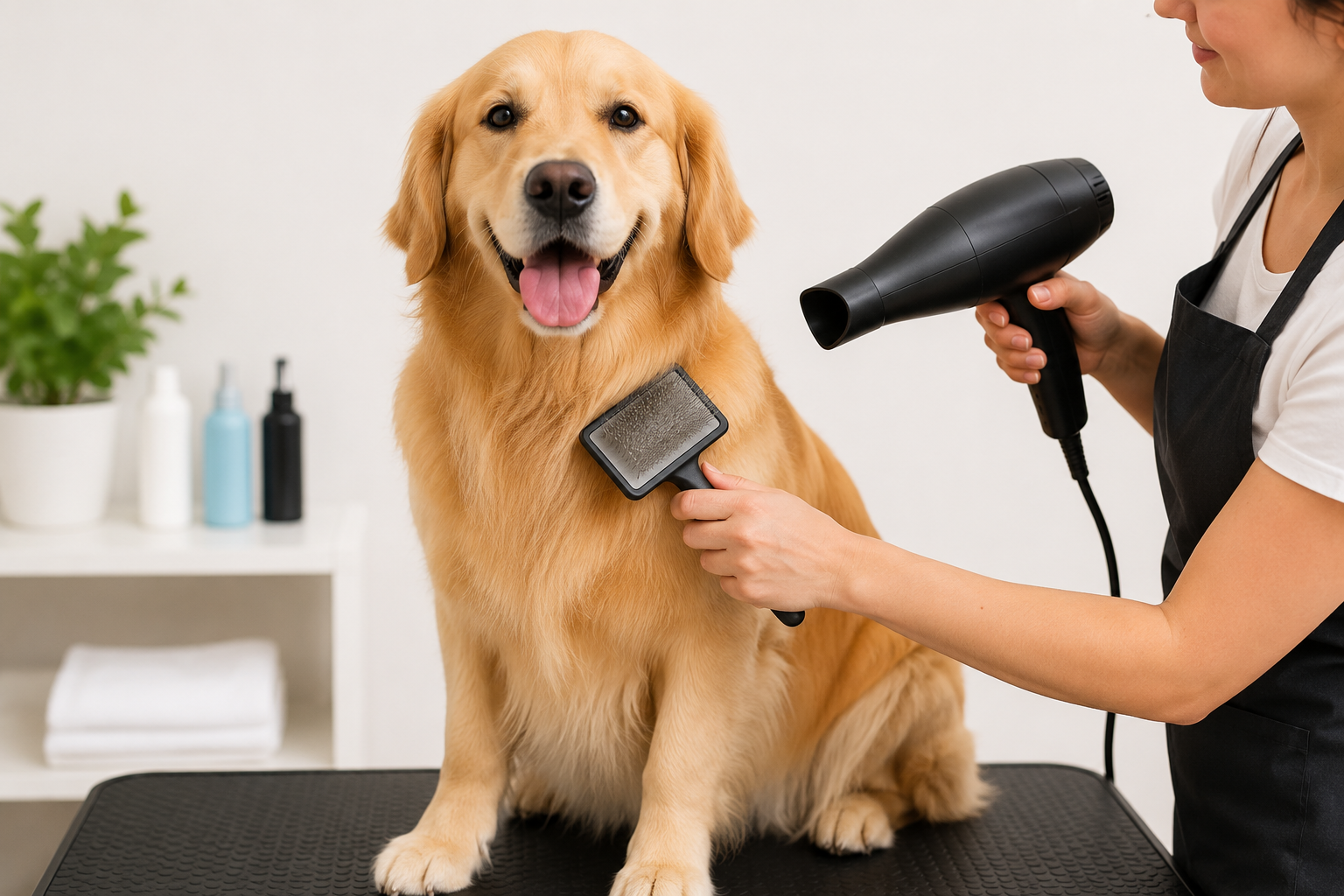
Bringing a dog into your home means taking responsibility for their health, happiness, and daily well-being. Grooming is one of the most hands-on ways to do that. Many new dog owners think grooming is just about making their dog look good for a family photo or a trip to the park. The reality is far more practical. Grooming is preventive health care. It keeps skin clean, coats functional, nails comfortable, ears healthy, and teeth strong. When done regularly and correctly, grooming catches small problems before they become expensive veterinary emergencies.
If you are just starting out, the world of dog brushes, shampoos, nail clippers, and ear cleaners can feel overwhelming. You might wonder which tool actually works for your dog’s coat. You might worry about cutting the quick or getting water in their ears. You might not even know where to begin. This guide was written to answer those questions clearly and safely. You will learn exactly what to buy, how to use it, how often to groom your dog, and how to handle the most common grooming challenges with confidence.
Every step is designed with beginners in mind. The techniques are straightforward, the safety tips are practical, and the advice is grounded in current veterinary and professional grooming standards. By the time you finish reading, you will have a clear, repeatable routine that keeps your dog comfortable, healthy, and happy for years to come.
Quick Answer
A complete beginner dog grooming routine includes brushing the coat to remove loose fur and debris, trimming nails every three to four weeks, cleaning ears weekly to prevent infections, brushing teeth daily or several times a week, wiping around the eyes as needed, and bathing every four to six weeks with a dog-specific shampoo. Always start slowly, use positive reinforcement, and adjust your routine based on your dog’s coat type, age, and health status.
What Is Dog Grooming?
Dog grooming is the systematic practice of maintaining your dog’s coat, skin, nails, ears, teeth, and overall hygiene. It is not a cosmetic luxury reserved for show dogs or specific breeds. Every single dog, from a short-haired Chihuahua to a heavily coated Bernese Mountain Dog, requires regular grooming to stay healthy and comfortable.
Grooming involves several interconnected tasks. Brushing removes dead hair, prevents painful mats, and distributes natural skin oils throughout the coat. Bathing cleans away dirt, allergens, and surface bacteria without stripping essential moisture. Nail trimming prevents joint strain and posture changes caused by overgrown claws. Ear cleaning removes wax and moisture that create breeding grounds for yeast and bacteria. Dental care prevents plaque buildup that leads to painful gum disease and systemic health issues.
When you understand grooming as a health maintenance practice rather than a beauty routine, it becomes much easier to prioritize. The tasks are manageable, the tools are straightforward, and the results directly impact your dog’s quality of life. Dogs that are groomed consistently move more comfortably, smell fresher, shed less around the house, and are significantly easier to examine for lumps, parasites, or skin changes.
Benefits of Regular Dog Grooming
Healthy Skin: Regular brushing and bathing remove dead skin cells, environmental debris, and excess sebum that can clog pores and cause irritation. Clean skin is less prone to hot spots, bacterial overgrowth, and allergic flare-ups.
Healthy Coat: Brushing distributes the natural oils produced by your dog’s skin along the hair shaft. This keeps the coat shiny, flexible, and water-resistant. Neglected coats become dry, brittle, and prone to breakage.
Early Health Problem Detection: Grooming is your best opportunity to physically examine your dog from head to tail. You will notice ticks, flea dirt, unusual lumps, cuts, rashes, or tender spots long before they become serious. Early detection saves time, stress, and veterinary costs.
Reduced Shedding: Dead hair that is not brushed out eventually falls out on your furniture, floors, and clothes. Regular brushing captures loose fur before it sheds into your environment. It also prevents the formation of mats that pull on the skin and cause discomfort.
Better Hygiene: Clean ears, trimmed nails, and brushed teeth prevent infections that are painful and difficult to treat. Grooming maintains the natural cleanliness of your dog’s body and reduces the risk of secondary complications.
Improved Comfort: Overgrown nails click on hard floors, alter your dog’s gait, and can curl into paw pads. Matted fur pulls tightly against the skin. Dirty ears itch and become inflamed. Addressing these issues keeps your dog physically comfortable and mobile.
Stronger Bond With Your Dog: Grooming requires gentle handling, patience, and calm interaction. When done positively, it becomes a quiet bonding experience. Your dog learns to trust your touch, and you learn to read their body language and comfort signals.
Dog Grooming Essentials
Having the right tools makes grooming safer, faster, and less stressful for both of you. Here is what you actually need.
Dog Brush: The foundation of coat maintenance. Choose a brush matched to your dog’s coat type. Slicker brushes work for most medium and long coats. Bristle brushes suit short, smooth coats. Pin brushes are gentle for fine hair.
Comb: A stainless steel grooming comb checks for hidden tangles after brushing. Run it through the coat to ensure you have removed all knots, especially behind the ears and under the legs.
Dog Shampoo: Formulated specifically for canine skin pH, which is closer to neutral than human skin. Using human shampoo disrupts the skin barrier and causes dryness and irritation.
Conditioner: Adds moisture and slip to the coat, making brushing easier and reducing static. Essential for long, curly, or dry coats. Optional for very short coats.
Nail Clippers: Scissor-style or guillotine-style clippers designed for dogs. Keep them sharp. Dull clippers crush the nail rather than cutting cleanly, which causes pain.
Nail Grinder: An electric tool that files nails smooth after clipping. Excellent for dogs that are sensitive to the pressure of clippers or for smoothing sharp edges. Requires gradual desensitization to the sound and vibration.
Dog Toothbrush: Either a traditional handled brush or a soft finger brush. Choose a size appropriate for your dog’s mouth. Smaller heads reach back teeth more easily.
Dog Toothpaste: Enzymatic, dog-safe toothpaste in flavors like poultry or beef. Never use human toothpaste, which contains fluoride and often xylitol, both toxic to dogs.
Ear Cleaner: A vet-approved liquid solution that breaks down wax and dries the ear canal. Avoid solutions with alcohol, which stings and dries sensitive tissue.
Cotton Pads: Soft, lint-free pads for wiping the outer ear and around the eyes. Never use cotton swabs inside the ear canal, as they push debris deeper and risk eardrum damage.
Dog Towels: Highly absorbent microfiber towels dry the coat faster than standard cotton. Keep at least two on hand so you are not left with a wet dog waiting for laundry to finish.
Hair Dryer (Pet Safe): A low-heat, high-airflow dryer designed for pets. Household dryers on high heat can burn skin and dry out the coat. Always keep the dryer moving and test the temperature on your hand.
Grooming Scissors: Blunt-tipped safety scissors for trimming fur around paws, sanitary areas, and face. Never use sharp-tipped household scissors near a moving dog.
De-shedding Tool: A specialized rake or blade that removes loose undercoat without cutting the topcoat. Highly effective during heavy shedding seasons for double-coated breeds.
Tick Remover: Fine-tipped tweezers or a dedicated tick hook designed to remove ticks cleanly without squeezing the body, which increases disease transmission risk.
First Aid Kit: Include styptic powder for nail bleeds, antiseptic wipes, gauze pads, and your veterinarian’s contact number. Accidents happen, and being prepared prevents panic.
How Often Should You Groom Your Dog?
Grooming frequency depends almost entirely on coat type, lifestyle, and skin health. There is no universal schedule that fits every dog, but clear patterns emerge when you look at coat categories.
Short Coat: Breeds like Beagles, Boxers, and Greyhounds shed naturally and trap less debris. Brushing once a week and bathing every six to eight weeks is usually sufficient.
Medium Coat: Dogs like Labrador Retrievers and Cocker Spaniels need brushing two to three times weekly and bathing every four to six weeks to prevent odor and manage seasonal shedding.
Long Coat: Breeds such as Afghan Hounds and Yorkshire Terriers require daily or near-daily brushing to prevent mats. Bathing every three to four weeks keeps the coat clean and manageable.
Curly Coat: Poodles and Bichon Frises have dense, continuously growing coats that trap debris and dander. Brushing every other day and bathing every three to four weeks prevents matting and skin irritation.
Double Coat: Huskies, German Shepherds, and Golden Retrievers have a protective outer coat and a dense insulating undercoat. Brushing three to four times weekly and bathing every six to eight weeks maintains coat integrity. Over-bathing strips natural oils that make the double coat water-resistant and temperature-regulating.
Hairless Breeds: Chinese Crested and Xoloitzcuintlis lack the protective barrier of fur. Their skin produces oils and accumulates debris more quickly. Weekly bathing with a gentle, moisturizing shampoo is typically necessary.
| Coat Type | Brushing Frequency | Bathing Frequency | Key Focus |
|---|---|---|---|
| Short Coat | Once weekly | Every 6–8 weeks | Shedding control, skin check |
| Medium Coat | 2–3 times weekly | Every 4–6 weeks | Debris removal, odor control |
| Long Coat | Daily or every other day | Every 3–4 weeks | Tangle prevention, conditioning |
| Curly Coat | Every other day | Every 3–4 weeks | Mat prevention, professional trims |
| Double Coat | 3–4 times weekly | Every 6–8 weeks | Undercoat management, seasonal shedding |
| Hairless | 3–4 times weekly | Weekly | Skin moisturizing, sun protection |
Always adjust these guidelines based on your dog’s activity level, skin sensitivity, and veterinarian recommendations.
Step-by-Step Dog Grooming Routine
Following a consistent order makes grooming predictable for your dog and efficient for you. Work through these steps in sequence during each grooming session.
Step 1: Brush the Coat
Always brush before bathing. Water tightens tangles into painful mats that are extremely difficult to remove later. Work in sections, brushing from the skin outward to the tips. Pay special attention to friction areas like behind the ears, under the collar, and around the legs.
Step 2: Check the Skin
While brushing, part the fur and look closely at the skin. Check for redness, flakes, ticks, flea dirt, lumps, or hot spots. Note anything unusual so you can discuss it with your vet if needed.
Step 3: Trim Nails
Trim nails before the bath so your dog is still relatively calm. Hold the paw firmly but gently. Cut only the clear or light-colored tip, avoiding the pink quick. If nails are dark, trim in tiny increments and stop when the center looks chalky or dark. Apply styptic powder immediately if you nick the quick.
Step 4: Clean the Ears
Apply vet-approved ear cleaner to a cotton pad. Gently wipe the visible outer ear canal and the folds of the ear flap. Never insert anything into the ear canal. If you notice dark discharge, foul odor, or redness, stop and consult your vet.
Step 5: Brush the Teeth
Use a soft dog toothbrush and enzymatic toothpaste. Lift the lip gently and brush in small circular motions along the gum line. Focus on the outer surfaces where plaque accumulates most. Even thirty seconds per side makes a significant difference.
Step 6: Clean Around the Eyes
Use a damp cotton pad or pet-safe eye wipe to gently remove crust or discharge from the inner corners. Use a fresh pad for each eye to prevent cross-contamination. Never use human makeup removers or harsh chemicals.
Step 7: Bathe Your Dog
Wet the coat thoroughly with comfortably warm water. Apply dog shampoo from the neck down, working it into a gentle lather. Massage carefully down to the skin. Use a mild, tear-free formula around the face.
Step 8: Dry Properly
Wrap your dog in a microfiber towel and gently press to absorb water. Avoid vigorous rubbing, which creates tangles. If using a dryer, keep it on low heat and move it continuously. Ensure the undercoat is completely dry to prevent hot spots.
Step 9: Brush Again
Once fully dry, give the coat a final light brushing to smooth the hair shaft, remove any remaining loose fur, and restore the natural coat lay. Apply a light conditioner spray if your dog’s coat tends to be dry or static-prone.
Step 10: Reward Your Dog
Finish with calm praise, gentle petting, and a small high-value treat. Ending grooming on a positive note builds cooperation for future sessions. Your dog learns that grooming leads to good things.
How to Brush a Dog Correctly
Brushing is the most frequent grooming task, and doing it correctly prevents pain and coat damage.
Best Brushes for Different Coat Types:
- Short and smooth coats: Rubber grooming mitt or soft bristle brush
- Medium and wavy coats: Slicker brush followed by a wide-tooth comb
- Long and straight coats: Slicker brush and pin brush
- Curly and dense coats: Slicker brush and metal comb
- Double coats: Undercoat rake and de-shedding tool
- Wire coats: Stripping knife or coarse slicker brush
Brushing Frequency: Match the schedule to your dog’s coat type and shedding cycle. During heavy shedding seasons, increase brushing frequency to manage the undercoat release effectively.
Common Mistakes:
- Brushing only the top layer of fur, leaving tangles against the skin
- Using the wrong brush for the coat type, which can break hair or irritate skin
- Brushing a dirty coat without checking for mats first, which pulls on the skin
- Brushing too aggressively, causing micro-abrasions on the skin surface
- Skipping sensitive areas like the armpits and groin where mats commonly form
Always work in small sections, hold the base of the hair near the skin to prevent pulling, and stop immediately if your dog shows signs of pain or stress.
How to Bathe Your Dog
Bathing is straightforward when you prepare properly and follow a calm process.
Preparing the Bath:
Gather shampoo, conditioner, towels, a non-slip mat, and a handheld sprayer or large cup before bringing your dog in. Place the non-slip mat in the tub to prevent slipping and panic. Close the bathroom door to keep your dog from bolting.
Choosing the Right Shampoo:
Select a shampoo formulated for your dog’s specific coat and skin needs. Oatmeal shampoos soothe mild dryness. Clarifying shampoos remove heavy dirt and odor. Medicated shampoos should only be used under veterinary direction. Always avoid human products and heavily fragranced formulas.
Water Temperature:
Use comfortably warm water, similar to what you would use for a baby’s bath. Test it on your inner wrist. Hot water causes discomfort and strips natural oils. Cold water is stressful and makes it difficult to lather shampoo effectively.
Rinsing:
Thorough rinsing is non-negotiable. Shampoo residue left against the skin causes itching, redness, and dull coats. Rinse until the water runs completely clear and the coat feels squeaky clean. Pay extra attention to thick areas like the chest, belly, and undercoat.
Drying:
Squeeze excess water gently with a towel. For thick or long coats, use a pet dryer on low heat, keeping it moving constantly. Never point a high-heat dryer at one spot. In warm weather, short-coated dogs can air-dry indoors, but ensure they are completely dry before going outside in cool conditions.
Post-Bath Care:
Check the ears for trapped moisture and wipe gently with a dry cotton pad. Brush the coat once fully dry to prevent post-bath tangling. Offer a treat and quiet praise. Keep your dog indoors until fully dry to prevent chilling.
Nail Trimming Guide
Why Nail Care Matters:
Overgrown nails change the angle of your dog’s paw, forcing the toes to splay and placing unnatural stress on the joints, tendons, and spine. Nails that touch the ground with every step cause chronic discomfort. Severely overgrown nails can curl into the paw pad, causing painful wounds and infections.
How Often to Trim Nails:
Most dogs need nail trimming every three to four weeks. A reliable indicator is sound. If you hear a consistent clicking when your dog walks on hard floors, the nails are too long. Active dogs that walk frequently on pavement may naturally wear nails down and require less frequent trimming.
How to Avoid Cutting the Quick:
The quick is the living tissue inside the nail containing blood vessels and nerves. In light-colored nails, it is visible as a pink area. Cut only the clear or white tip. In dark nails, trim tiny slivers at a time. Look at the cut surface after each trim. When you see a small black dot or chalky center in the middle of the nail, you are approaching the quick. Stop there. Keep styptic powder within reach. If you accidentally cut the quick, apply gentle pressure with the powder until bleeding stops.
When to Seek Professional Help:
If your dog has severely overgrown nails, extremely dark nails that make the quick impossible to see, or severe anxiety that makes safe trimming impossible at home, schedule a professional grooming or veterinary nail trim. Many vets offer sedation-assisted nail trims for highly fearful dogs.
Ear Cleaning Guide
How Often to Clean Ears:
Check ears weekly. Clean them when you see visible wax buildup, mild debris, or after swimming or bathing. Dogs with floppy ears or hairy ear canals often need cleaning every one to two weeks because reduced airflow creates a warm, moist environment where bacteria and yeast thrive.
Safe Cleaning Method:
Fill the ear canal with vet-approved ear cleaner. Gently massage the base of the ear for twenty seconds to loosen debris. Allow your dog to shake their head. Wipe the outer ear and visible canal folds with a soft cotton pad. Repeat until the pad comes away clean. Never push cotton swabs into the ear canal.
Signs of Ear Infection:
Watch for persistent head shaking, scratching at the ears, foul odor, dark or yellow discharge, redness, swelling, or sensitivity when the ear is touched. These are clear indicators of infection.
When to Visit a Veterinarian:
If you notice signs of infection, do not attempt to clean deeply or use over-the-counter medications without guidance. Ear infections require proper diagnosis to determine whether the cause is bacterial, yeast, or allergic. Improper treatment can worsen inflammation or damage the eardrum.
Dog Dental Care
Why Dental Hygiene Matters:
Dental disease is one of the most common health issues in dogs, with the majority showing some degree of periodontal disease by age three. Plaque hardens into tartar within days. Tartar pushes the gums away from the teeth, creating pockets where bacteria multiply. These bacteria can enter the bloodstream and affect the heart, liver, and kidneys.
How to Brush Teeth:
Start by letting your dog taste the toothpaste. Gently lift the lip and brush the outer surfaces of the teeth using small circular motions. Focus on the gum line where plaque accumulates. Aim for daily brushing, but even three to four sessions per week provides significant protection. Keep sessions short and positive.
Dental Chews:
Dental chews can supplement brushing by providing mechanical scraping action and containing enzymes that break down plaque. Look for products with the Veterinary Oral Health Council (VOHC) seal, which confirms proven efficacy. Chews are not replacements for brushing, but they are a useful addition.
Signs of Dental Disease:
Watch for persistent bad breath, red or bleeding gums, yellow or brown tartar buildup, drooling, difficulty chewing, dropping food, pawing at the mouth, or visible loose teeth. Any of these signs warrant a veterinary dental examination.
Eye Care
Cleaning Tear Stains:
Some breeds naturally produce more tears, which can stain the fur under the eyes. Gently wipe the area daily with a damp cotton pad or pet-safe eye wipe. Keep the hair around the eyes trimmed to prevent irritation and moisture trapping.
Eye Discharge:
A small amount of clear or slightly cloudy discharge in the morning is normal. Wipe it away gently. Yellow, green, or thick discharge is not normal and often indicates infection, blocked tear ducts, or corneal irritation.
Warning Signs:
Contact your vet if you notice squinting, redness, cloudiness, visible swelling, sensitivity to light, or your dog rubbing their eyes excessively. Eye problems can worsen rapidly and should never be ignored or treated with human eye drops without veterinary approval.
Coat Care by Breed Type
Different coats require different maintenance strategies. Understanding your dog’s coat type prevents damage and keeps grooming efficient.
Short-Haired Dogs:
Low maintenance but still require weekly brushing to remove dead hair and distribute oils. Use a rubber mitt or soft bristle brush. Bathe only when genuinely dirty.
Long-Haired Dogs:
High maintenance. Daily or near-daily brushing prevents painful mats. Use a slicker brush and metal comb. Regular conditioning keeps the coat manageable. Professional trims every six to eight weeks are highly recommended.
Double-Coated Dogs:
Never shave a double coat. The undercoat provides insulation against both cold and heat. Use an undercoat rake and de-shedding tool during heavy shedding seasons. Brush three to four times weekly to prevent matting and maintain coat structure.
Curly-Coated Dogs:
Continuously growing hair that traps debris and tangles easily. Brush every other day with a slicker brush and comb. Bathe every three to four weeks. Professional clipping every six to eight weeks prevents severe matting.
Wire-Haired Dogs:
Rough, dense outer coat with a softer undercoat. Requires regular brushing and occasional hand-stripping or clipping to maintain texture. Avoid over-bathing, which softens the wire coat and reduces its protective qualities.
Hairless Dogs:
Exposed skin requires regular bathing with gentle, moisturizing formulas. Apply dog-safe sunscreen when outdoors. Monitor for dryness, acne, and sunburn. Brush skin gently with a soft rubber mitt to remove dead cells.
| Coat Type | Brushing Tool | Bathing Frequency | Special Care Notes |
|---|---|---|---|
| Short-Haired | Rubber mitt, soft bristle | Every 6–8 weeks | Minimal maintenance, check for skin issues |
| Long-Haired | Slicker brush, metal comb | Every 3–4 weeks | Daily brushing, regular conditioning |
| Double-Coated | Undercoat rake, de-shedder | Every 6–8 weeks | Never shave, manage seasonal shedding |
| Curly-Coated | Slicker brush, comb | Every 3–4 weeks | Prevent mats, regular professional trims |
| Wire-Haired | Coarse slicker, stripping knife | Every 6–8 weeks | Hand-stripping preserves coat texture |
| Hairless | Soft rubber mitt | Weekly | Moisturize skin, sun protection |
Grooming Puppies
First Grooming Session:
Start when your puppy is eight weeks old or shortly after settling into your home. Keep the first session under ten minutes. Focus on positive exposure rather than perfection. Let your puppy sniff the tools, hear the clippers or dryer on low, and receive treats throughout.
Bathing:
Use a tearless puppy shampoo. Keep water warm and the room draft-free. Puppies lose body heat quickly. Dry thoroughly and immediately after the bath. Keep the first bath brief and calm.
Brushing:
Introduce brushing gently. Use a soft brush and work in short strokes. Reward calm behavior. Puppies that learn to accept brushing early become cooperative adults.
Handling Exercises:
Regularly touch your puppy’s paws, ears, mouth, and tail. Gently open their mouth to inspect teeth. Handle their ears and lift their lips. This desensitization prevents fear and aggression during future grooming and veterinary exams.
Positive Reinforcement:
Pair every grooming step with high-value treats and calm praise. If your puppy becomes stressed, pause, reset, and try again later. Never force or punish. The goal is to build trust, not compliance through fear.
Grooming Senior Dogs
Joint Comfort:
Arthritis and joint stiffness make standing for long periods painful. Groom your senior dog on a non-slip mat at floor level or on a low, padded table. Allow frequent rest breaks.
Sensitive Skin:
Older dogs often have thinner, drier skin that tears more easily. Use gentle brushes, avoid aggressive pulling, and switch to moisturizing shampoos formulated for mature skin. Reduce bathing frequency if skin becomes dry or flaky.
Reduced Mobility:
If your dog struggles to stand or balance, groom them in short sessions. Consider using a grooming sling or harness with handles for stability. Never force a position that causes discomfort.
Special Grooming Tips:
Pay extra attention to paw pads, which may become dry and cracked. Trim hair between pads to prevent slipping. Check for lumps or growths more frequently, as older dogs are at higher risk for skin conditions and tumors. Keep grooming calm, predictable, and brief.
Seasonal Grooming Tips
Summer Grooming:
Heat increases oil production and attracts parasites. Increase brushing frequency to remove dead coat and improve air circulation. Check for ticks after every outdoor outing. Provide cool, shaded drying areas. Never shave double-coated breeds to keep them cool — it actually increases heat stress risk.
Winter Grooming:
Indoor heating dries out skin and coat. Reduce bathing frequency slightly if your dog shows dryness. Use a moisturizing conditioner. Wipe paws after walks to remove road salt and de-icing chemicals, which cause burns and are toxic if licked. Apply dog-safe paw balm before winter walks.
Rainy Season Grooming:
Moisture trapped against the skin leads to hot spots and yeast infections. Dry your dog thoroughly after wet walks, paying special attention to skin folds, ears, and between toes. Use pet wipes for quick cleanups between full baths.
Shedding Season:
Spring and autumn trigger heavy coat blowouts. Increase brushing to daily during these periods. Use a de-shedding tool to remove loose undercoat efficiently. Regular brushing during shedding season prevents mats and reduces the amount of hair shed into your home.
Common Dog Grooming Mistakes
- Using human shampoo: Disrupts canine skin pH, causing dryness and irritation. Always use dog-specific formulas.
- Skipping brushing before bathing: Water tightens tangles into painful mats. Always brush thoroughly first.
- Cutting the nail quick: Results from rushing or trimming too much at once. Trim tiny increments and stop at the chalky center.
- Using cotton swabs in ears: Pushes wax deeper and risks eardrum damage. Use only soft cotton pads on the outer ear.
- Leaving shampoo residue: Causes itching and dull coats. Rinse until water runs completely clear.
- Blow drying on high heat: Burns skin and dries out the coat. Use low heat and keep the dryer moving.
- Shaving double-coated breeds: Destroys natural insulation and can permanently alter coat texture. Brush and de-shed instead.
- Ignoring tear stains: Leads to skin irritation and bacterial growth under the eyes. Wipe daily and keep hair trimmed.
- Forcing a fearful dog: Creates lasting negative associations. Work gradually with treats and short sessions.
- Using dull clippers: Crushes nails instead of cutting cleanly, causing pain and splintering. Keep tools sharp.
- Bathing too frequently: Strips natural oils, leading to dry skin and increased shedding. Stick to coat-appropriate schedules.
- Skipping dental care: Plaque hardens into tartar within days, leading to gum disease and systemic health issues.
- Not drying the undercoat completely: Trapped moisture causes hot spots and bacterial infections. Dry thoroughly.
- Using the wrong brush for coat type: Breaks hair, irritates skin, or fails to remove tangles effectively. Match tools to coat.
- Ignoring skin changes during grooming: Lumps, redness, or hot spots are early warning signs. Note and report them to your vet promptly.
Signs Your Dog Needs Professional Grooming
Home grooming works wonderfully for routine maintenance, but certain situations require professional intervention. Severe matting that pulls tightly against the skin should be handled by a groomer or veterinarian, as cutting matted fur safely requires specialized tools and skill to avoid cutting the skin. Dogs with extreme anxiety, aggression, or mobility limitations that make safe home grooming impossible benefit greatly from experienced professionals. Breeds requiring precise breed-standard trims or hand-stripping, such as many terriers and poodles, also need professional expertise. If your dog has open skin wounds, active infections, or post-surgical restrictions, consult your vet before attempting any grooming at home.
Professional Grooming vs Home Grooming
| Factor | Professional Grooming | Home Grooming |
|---|---|---|
| Cost | Higher per session | Lower long-term cost |
| Convenience | Scheduled appointments | Flexible timing |
| Expertise | Trained for complex cuts, mat removal, difficult behaviors | Requires learning curve and practice |
| Stress Level | Can be stressful for anxious dogs | Controlled, calm environment if done properly |
| Customization | Breed-specific styling, precise trimming | Basic hygiene, coat maintenance, health checks |
| Frequency | Every 4–8 weeks depending on breed | Weekly brushing, monthly baths, daily dental/ear checks |
| Best For | Complex trims, severe matting, highly anxious dogs | Routine maintenance, bonding, early health detection |
Many owners find a hybrid approach works best. Home grooming handles daily and weekly maintenance, while professional groomers manage complex trims, heavy de-shedding, and deep cleaning on a regular schedule.
Printable Dog Grooming Checklist
| Task | Daily | Weekly | Monthly | Notes |
|---|---|---|---|---|
| Brush teeth | Yes | Use enzymatic toothpaste | ||
| Wipe eyes if needed | Yes | Use pet-safe wipes | ||
| Check skin and coat | Yes | Look for lumps, parasites, irritation | ||
| Full coat brushing | 1–3 times | Match to coat type | ||
| Clean ears | Yes | Only if visible wax or after swimming | ||
| Trim nails | Every 3–4 weeks | Stop before the quick | ||
| Bathing | Every 3–8 weeks | Adjust by coat type and activity | ||
| Check paw pads | Yes | Trim hair between toes, apply balm | ||
| De-shedding (if applicable) | Seasonal | Use undercoat rake | ||
| Review grooming tools | Clean brushes, replace dull clippers | |||
| Schedule professional groom | Every 4–8 weeks | Book ahead for high-demand groomers | ||
| Dental chew or rinse | 3–4 times | Supplement brushing |
Print this table, keep it on your fridge or in your grooming kit, and check off tasks as you complete them until the routine becomes automatic.
Frequently Asked Questions
How do I start grooming a dog at home for the first time?
Begin with short, positive sessions focused on handling rather than perfection. Let your dog sniff the tools, touch their paws and ears gently, and reward calm behavior with treats. Introduce one grooming task at a time, starting with brushing or tooth brushing, before moving to bathing or nail trimming.
Can I use human shampoo on my dog?
No. Human shampoo is formulated for a skin pH of approximately 5.5, while dogs have a skin pH closer to 7. Using human products strips natural oils, disrupts the skin barrier, and causes dryness, itching, and increased susceptibility to infection. Always use dog-specific shampoo.
How do I know if I’m brushing my dog correctly?
You should be brushing down to the skin in small sections, not just skimming the top layer. The brush should glide through the coat without pulling or catching. If you hear tearing sounds or your dog flinches, you are likely catching tangles. Work them out gently with a comb before continuing.
What should I do if I cut my dog’s nail quick?
Stay calm. Apply styptic powder or cornstarch directly to the nail with gentle pressure for one to two minutes until bleeding stops. Comfort your dog and end the session. The bleeding looks worse than it is, and it will stop quickly. Wait a few days before trimming that nail again.
How often should I clean my dog’s ears?
Check ears weekly. Clean them only when you see visible wax, debris, or after swimming. Over-cleaning can irritate the ear canal. Dogs with floppy ears or hairy ear canals may need cleaning every one to two weeks due to reduced airflow.
My dog hates having their teeth brushed. What can I do?
Start by letting them lick the toothpaste off your finger. Progress to gently rubbing their teeth and gums with your finger. Introduce a soft finger brush, then a handled brush. Keep sessions under thirty seconds initially. Reward heavily. Consistency matters more than duration.
Is it safe to use a household hair dryer on my dog?
Yes, if you use the lowest heat setting and keep the dryer moving continuously. Test the temperature on the back of your hand before pointing it at your dog. Never use high heat, and never hold the dryer close to the skin for more than a few seconds. Pet dryers are safer and more efficient.
How do I remove mats safely at home?
Never pull or cut mats close to the skin with regular scissors. Use a detangling spray or conditioner, then gently work through the outer edge of the mat with a metal comb or slicker brush. If the mat is tight against the skin, severely tangled, or causing discomfort, stop and take your dog to a professional groomer or veterinarian.
Should I shave my dog in the summer to keep them cool?
No, especially for double-coated breeds. The coat provides insulation against heat and protects against sunburn. Shaving disrupts the coat’s natural structure and can cause permanent texture changes. Regular brushing and de-shedding improve airflow and are far more effective.
How do I know if my dog’s skin is healthy during grooming?
Healthy skin is pale pink, smooth, and free of flakes, redness, bumps, or excessive oil. The coat should lie flat without bald patches or broken hair. Any persistent itching, foul odor, hot spots, or sudden hair loss warrants a veterinary examination.
Can grooming help with my dog’s allergies?
Yes, regular bathing removes environmental allergens like pollen, dust mites, and mold spores from the coat and skin surface. Using a gentle, hypoallergenic shampoo and bathing more frequently during high-allergen seasons can significantly reduce allergic flare-ups. Always discuss allergy management with your vet.
What is the best way to trim hair around my dog’s paws?
Use blunt-tipped grooming scissors. Gently lift each paw and trim the hair that extends past the pads. This prevents slipping on hard floors and reduces mud tracking. Keep your fingers between the scissors and your dog’s skin at all times.
How do I handle a dog that shakes constantly during grooming?
Shaking is often a stress response. Pause, step back, and allow your dog to settle. Offer a high-value treat. Resume only when your dog is relaxed. If shaking persists, shorten the session and try again later. Never force a dog through grooming while they are highly stressed.
Are grooming wipes safe for daily use?
Pet-safe grooming wipes are generally safe for quick cleanups between baths. Choose wipes free of alcohol, parabens, and essential oils like tea tree, which can be toxic. Wipes do not replace bathing or brushing, but they are excellent for wiping paws, facial folds, and minor messes.
When should I take my dog to a professional groomer instead of doing it myself?
If your dog has severe matting, extreme anxiety, aggressive behavior during handling, complex breed-specific trimming needs, or underlying medical conditions affecting their skin or mobility, professional grooming is the safer choice. Professionals have the training, tools, and experience to handle these situations safely.
Final Thoughts
Grooming your dog at home is one of the most practical, impactful ways to care for them. It does not require expensive equipment or years of professional training. It requires patience, consistency, and a willingness to learn what works for your specific dog. The routine you build in these early months will shape your dog’s comfort, health, and trust for the rest of their life.
Start slowly. Focus on one task at a time. Reward calm behavior generously. Adjust your schedule as seasons change and your dog ages. Keep your tools clean and sharp. Most importantly, pay attention to what your dog is telling you through their body language, skin condition, and behavior.
When in doubt, consult your veterinarian or a certified professional groomer. Grooming is a partnership between you, your dog, and your veterinary care team. Do it consistently, do it gently, and you will see the results in a healthier coat, brighter eyes, cleaner ears, and a dog who genuinely looks forward to spending time with you.
References
- American Veterinary Medical Association (AVMA). Pet Care — Dog Grooming and Hygiene. https://www.avma.org/resources/pet-owners/petcare
- American Animal Hospital Association (AAHA). Dental Care Guidelines for Dogs and Cats. https://www.aaha.org/aaha-guidelines/dental-care/dental-care-guidelines/
- Merck Veterinary Manual. Dermatologic Diseases — Skin Disorders of Dogs. https://www.merckvetmanual.com/dog-owners/skin-disorders-of-dogs
- Cornell University College of Veterinary Medicine. Grooming Your Dog. https://www.vet.cornell.edu
- VCA Animal Hospitals. Bathing and Grooming Your Dog. https://vcahospitals.com/know-your-pet/bathing-and-grooming-your-dog
- World Small Animal Veterinary Association (WSAVA). WSAVA Global Nutrition and Skin Health Guidelines. https://wsava.org/global-guidelines/
- American Kennel Club (AKC). Dog Grooming Basics. https://www.akc.org/expert-advice/dog-care/dog-grooming-basics/
- ASPCA. Dog Care — Grooming and Hygiene. https://www.aspca.org/pet-care/dog-care/grooming
Author Bio
Written by the PetCareJournal Editorial Team
The PetCareJournal Editorial Team is composed of experienced pet care writers, certified canine grooming professionals, and veterinary health researchers dedicated to producing accurate, practical, and compassionate content for dog owners. Every grooming guide is developed using current veterinary dermatology standards and reviewed against guidelines from leading animal health organizations. Our mission is to give every dog owner the knowledge and confidence to maintain their dog’s health and comfort at home.
Pet Care Disclaimer
The information provided in this article is intended for general educational and informational purposes only. It does not constitute professional veterinary advice, medical diagnosis, or treatment of any kind. Grooming techniques, product recommendations, and frequency guidelines should be adapted to your individual dog’s specific needs, health status, coat type, and veterinarian’s guidance. Dogs with skin diseases, ear infections, injuries, severe matting, allergies, or other medical conditions should be examined by a licensed veterinarian or qualified professional groomer before any changes are made to their grooming routine. In the event of a veterinary emergency or concern, contact your veterinarian or the nearest emergency animal hospital immediately. The PetCareJournal Editorial Team and publisher accept no liability for any actions taken based on the content of this article.